

Sådan gør makers sig klar til julehandlen i Q4: En plan måned for måned
Hver januar fortæller en maker den samme historie. Ordrerne eksploderede ugen efter Thanksgiving, siger de, de sagde ja til alt, og i december brugte de tiden på at gravere til klokken 2 om natten, undskylde for forsinkede pakker og stille og roligt hade den hobby, de elskede i oktober. Salget var fantastisk. Sæsonen var elendig.
Forskellen på den december og en god december er ikke, at du arbejder hårdere i december. Det handler om beslutninger, der træffes i september, hvor ordrevolumen normalt stadig er lav, og forberedelser næsten føles fjollede. Julekunder dukker op efter deres egen tidsplan, ikke din, så det eneste reelle håndtag, du har, er at begynde tidligt.
Så her er hele sæsonen, planlagt baglæns fra travlheden. Hvis du læser dette sidst i august eller først i september, er du præcis til tiden.
Planlæg baglæns fra travlheden
Fejlen er at behandle Q4 som én begivenhed. Det er en forberedelsesmåned efterfulgt af tre meget forskellige faser:
| Måned | Din opgave | Det er for sent til |
|---|---|---|
| September | Vælg sortimentet, køb materialer, lav regnestykket | Ingenting endnu. Det er den billige måned. |
| Oktober | Få styr på produktannoncer og fotos, søg om plads på messer, byg lager op | At redesigne produkter |
| November | Producer, send og beskyt din kapacitet | Nye produktannoncer, nye materialer, nye idéer |
| December | Opfyld ordrer, og stop med at tage imod ordrer i tide | Stort set alt andet |
Alt nedenfor følger disse faser i rækkefølge. Læg mærke til mønstret: Beslutningerne flyttes frem, før det føles naturligt, fordi alt, der følger efter en beslutning, har en leveringstid.
Materialer tager uger at ankomme. En opdateret produktannonce kan hurtigt dukke op i søgeresultaterne, men den skal have tid til at samle de klik, favoritter og salg, som rangeringen bygger på. Messejuryer træffer deres beslutninger måneder i forvejen.
December er ikke måneden, hvor du gør ting. December er måneden, hvor du finder ud af, om du fik dem gjort.
PRINT. SKÆR. FRÆS.


- Flere formater (SVG, DXF, PNG)
- Maskintestede designs
- Kommercielle licenser
Sponsoreret af PrintCutCarve.com
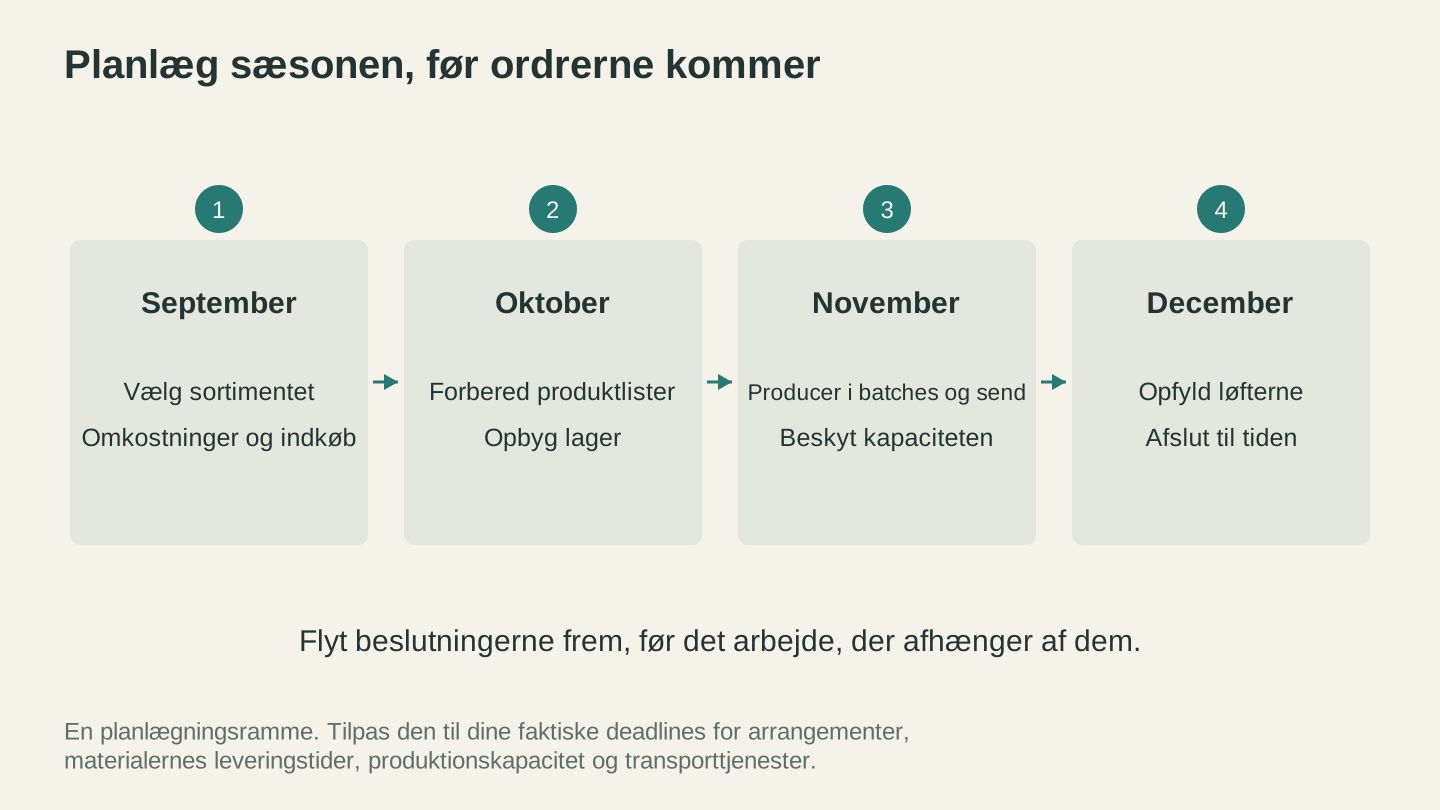
Fremskynd produktbeslutninger, materialeordrer og klargøring af annoncer, så de ligger før de travleste produktionsuger. Tilpas denne ramme til dine faktiske leveringstider og begivenhedsfrister.
September: Beslut, køb, og lav regnestykket
Septembers opgave er med vilje kedelig. Produktionspresset er lavt, og for de fleste butikker kommer ordrerne stadig kun drypvist, selv om de tidligste juleindkøbere allerede er på banen. Det er bare tre beslutninger, der afgør, om november fungerer.
1. Vælg dit sortiment, og hold det kort
De stærkeste julebutikker sælger et lille antal produkter i større mængder, ikke fyrre produkter i et eller to eksemplarer. Se på, hvad der faktisk solgte for dig i år og sidste år, og skær hårdt ned. Et godt mål for de fleste makers på deltid er tre til seks produkter: et par gennemprøvede bestsellere, måske én gavevenlig variation af hver af dem, f.eks. et sæt i gaveæske eller en personlig version, og højst én ny ting.
Hvis du stadig beslutter, hvilke produkter det skal være, er vores guide til julegaver for ejere af laser, CNC og 3D-printere et katalog med idéer, som gavekøbere pålideligt går efter. Vælg fra gennemprøvede kategorier. Q4 er ikke sæsonen, hvor du skal finde ud af, om markedet vil have dit eksperimentelle produkt.
2. Bestil materialer nu, i større mængder
Uanset hvad du sælger, har materialet en leveringstid, og alle andre, der fremstiller ting, bestiller samtidig med dig. Krydsfiner, akryl, filament, emner, beslag og alt det kedelige, folk glemmer: æsker, forsendelsesposer, bånd, silkepapir og etiketter. Det er skidt at løbe tør for produkter midt i travlheden. At løbe tør for forsendelsesæsker midt i travlheden er på en eller anden måde værre, fordi de færdige ordrer så bare ligger der.
Beregn højt. Tag din bedste måned i år, gang den med 2, og beregn materialerne til det. Hvis sæsonen skuffer, kan de fleste råmaterialer holde til næste år. Hvis sæsonen bliver god, og du er udsolgt af lager den 5. december, kan det lager ikke købes tilbage for nogen pris.
3. Lav lagerregnestykket på papir
For hvert produkt i sortimentet skal du skrive fire tal ned: materialepris pr. enhed, din ærlige produktionstid pr. enhed ved batchproduktion, din pris og hvor mange enheder du tror, du kan sælge. Gang det hele sammen. Denne øvelse på ti minutter afliver jævnligt et produkt, der føltes som en vinder, og det er langt bedre at aflive det i september end at opdage i november, at din bestseller giver $6 i timen.
Hvis dine priser ikke har ændret sig siden sidste år, er det også nu, du skal rette dem. Materialerne er blevet dyrere. Dine færdigheder er blevet bedre. Vores guide til prissætning af håndlavede produkter gennemgår regnestykket, inklusive det arbejde, du sandsynligvis ikke tager betaling for.
Tip
Mens du laver regnestykket, skal du fastsætte et tal for den samlede kapacitet: det maksimale antal ordrer, du kan producere i november og december uden at ødelægge dit liv. Skriv det ned nu, mens du er rolig. Du får brug for det senere, og dit fremtidige jeg under en bunke ordrer er ikke den rette til at beslutte det.
Oktober: Produktannoncer, fotos og ansøgninger
I oktober begynder omverdenen at betyde noget. Kunderne begynder at kigge længe før, de køber, og på markedspladser som Etsy belønner søgerangeringen produktannoncer, som kunderne har set og købt fra. En produktannonce, der er finpudset i oktober, har uger til at opbygge den historik. En produktannonce, der opdateres i Thanksgiving-ugen, råber ind i en orkan.
Opdater alle produktannoncer, du forventer at sælge
Gå hvert produkt i sortimentet igennem, og spørg: Siger titlen det, som en gavekøber ville skrive? Svarer beskrivelsen på de spørgsmål, køberne sender dig? Er billederne ærlige om størrelse og materiale? Tilføj de gavekontekstuelle søgeord, som køberne faktisk bruger i Q4, f.eks. "gave til", "personlig", "gave til julestrømpen", hvor de reelt passer.
Det er præcis den opgave, ListingLab er lavet til. Upload et produktfoto, så skriver det udkast til titler, beskrivelser og SEO-søgeord, som du kan redigere ud fra, i stedet for at du for niende gang stirrer på et tomt beskrivelsesfelt. Tekstgenereringen kører på chatbotbeskederne i dit abonnement i stedet for credits, så du kan revidere tekst til et helt sortiment uden at røre din credit-saldo.
Hvis dine produktbilleder er det svage led, kan ListingLab også generere stylede produktfotos, inklusive sæson- og julescener, til én credit pr. foto. En bestseller, der er fotograferet på garagegulvet, fortjener bedre end dit garagegulv.
Søg om plads på messer og markeder nu
En god julemesse kan være en af årets stærkeste salgsdage for en maker, og jurybedømte markeder vælger deres sælgere tidligt. Nogle decembermarkeder lukker for ansøgninger allerede i juli eller august, så ideelt set undersøgte du fristerne tilbage i foråret.
Hvis du ikke gjorde det, så gør det nu: Find alle november- og decembermarkeder inden for køreafstand, tjek hvilke der stadig tager imod sælgere, og ansøg med det samme. Hvis du misser en frist med en uge, kan det koste dig en salgsdag, du virkelig havde brug for, og de markeder, der allerede er lukket, kommer på næste års kalender.
Er det din første messe? Læs guiden til salg på kunsthåndværkermesser, før du bruger penge på udstillinger. Og placer en QR-kode med et link til din onlinebutik et sted på din stand: Mange besøgende vil elske dit arbejde og købe det fra sofaen tre dage senere. QR Code Generator laver en gratis kode som PNG til print eller som SVG, du kan gravere direkte ind i din skiltning.
Begynd at bygge lager op
Ved udgangen af oktober bør du producere forud for efterspørgslen: batchproduktion af dine bestsellere og klargøring af emner til personlige produkter, så en ordre kun kræver det individuelle trin. Hver enhed, der bliver færdig i oktober, er en aften, du får tilbage i december.
Info
Personlige produkter kan ikke færdiggøres helt på forhånd, men de kan forberedes næsten helt. Skær, slib og færdiggør emnerne nu, og gem kun graveringen eller tilpasningen til den tid, hvor ordren kommer ind. At forvandle en ordre på 90 minutter til en ordre på 15 minutter er hele pointen i december.
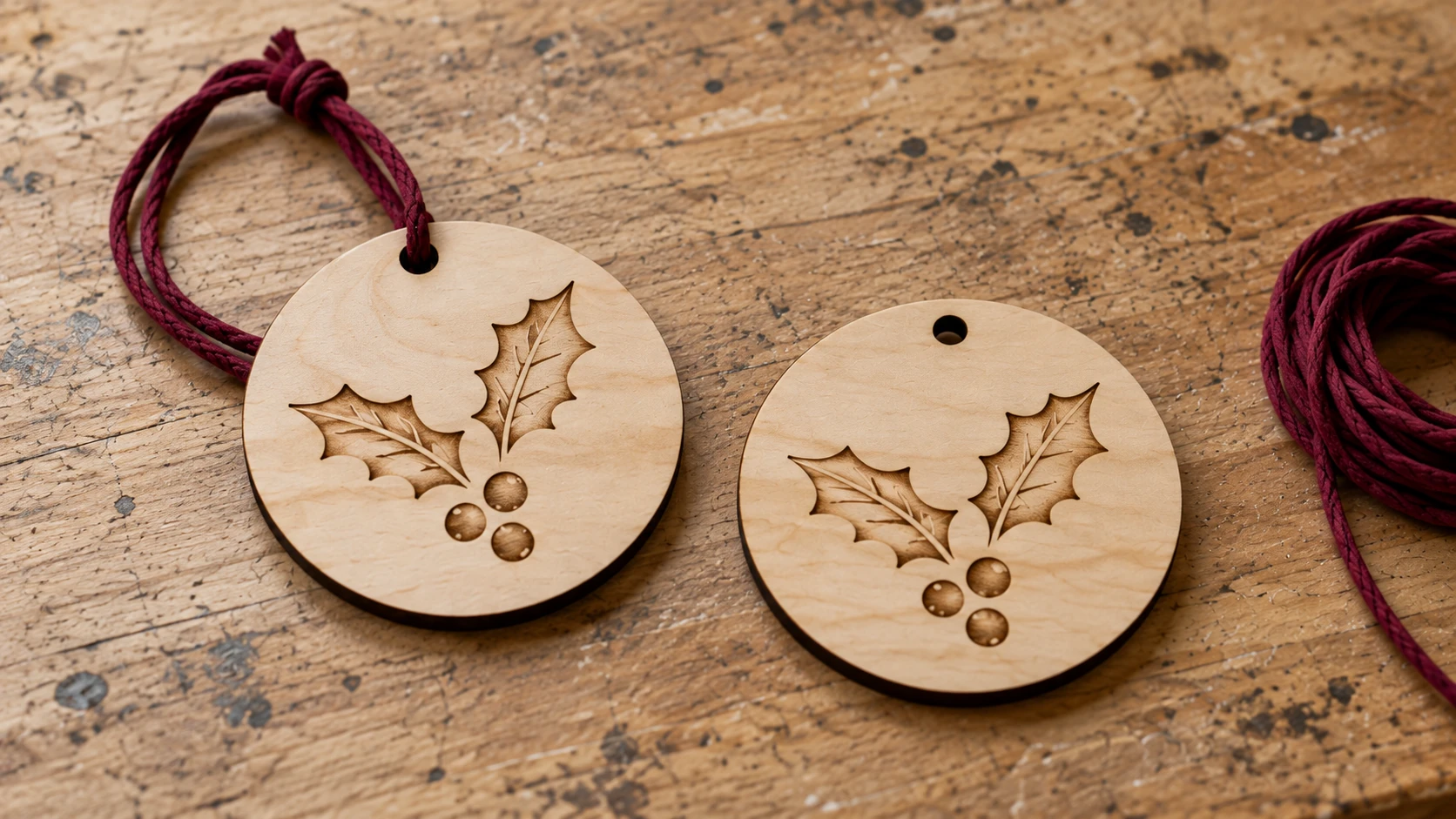
Det samme ornamentbatch viser, hvordan klargøring kan opdeles i gentagelige trin. Skær og færdiggør de fælles dele, og gem den resterende samling eller personlige tilpasning til senere.
November: Send, arbejd i batches, og sig nej
I november viser forberedelserne deres værdi, eller også bliver fraværet af dem tydeligt. Tre regler.
Kend dine forsendelsesfrister udenad
Større fragtfirmaer offentliggør normalt hvert år julespecifikke sidste-afsendelsesdatoer for deres forskellige tjenester, altså de datoer, hvor de forventer, at en pakke når frem i tide til jul. Din markedsplads' indstillinger for behandlingstid og forventet levering kommer oveni og skal også kontrolleres. Datoerne varierer fra år til år, så stol ikke på et skærmbillede fra sidste sæson.
Tjek de aktuelt offentliggjorte frister hos dit fragtfirma, gennemgå butikkens behandlingstider i begyndelsen af november, skriv det hele på væggen, og sæt derefter din egen kundevendte frist et par dage tidligere end de officielle frister. Fragtfirmaets dato forudsætter, at alt går rigtigt. December er måneden, hvor ting ikke går rigtigt.
Arbejd i batches med alt
Produktion én for én er en hobbyrytme. November kræver en batchrytme: Skær hele lørdagen, færdiggør hele søndagen, og pak det hele på én aftensession, hvor alt er gjort klar. Fastlæg en fast forsendelsesplan, f.eks. mandag, onsdag og fredag, i stedet for at køre ud med én pakke ad gangen.
Batchproduktion føles mindre fleksibel. Men den fjerner den gentagne klargøring, oprydning og køretid, som produktion én for én stille og roligt spilder, og timer er det, du kommer til at mangle.
Lancér ikke noget nyt
Midt i november dukker idéen til et nyt produkt op, og den vil føles genial. Det er en fælde. Et nyt produkt betyder uprøvede filer, ukendt produktionstid, ingen anmeldelser, ingen søgehistorik og materialer, du ikke bestilte i september.
Det æder de timer, dine gennemprøvede bestsellere har brug for. Skriv idéen ned til januar, og vend tilbage til de bordskånere, der betaler regningerne.
Vær ærlig om kapaciteten: Luk for ordrer, før du knækker
Den sværeste færdighed i julesæsonen er at sige nej, mens folk stadig siger ja.
Husker du kapacitetstallet, du skrev ned i september? Det er i november, du bruger det. Følg ordrerne op mod tallet hver uge.
Når du når det, skal du lukke: slå specialordrer fra, markér varer, der fremstilles på bestilling, som udsolgt, eller opslå en tydelig besked om, at "ordrer afgivet efter denne dato leveres efter jul". Gør det, mens du stadig kan levere alt det, du allerede har accepteret, ikke bagefter.
Det føles som at brænde penge af at lukke tidligt. Det er det modsatte. De ordrer, du afslår, ville være blevet til forsinkede pakker, refusioner og de én-stjernede anmeldelser, der møder alle kunder, som finder dig næste år.
En butik, der lukker til tiden, beholder sine anmeldelser, sine tilbagevendende kunder og sin ejer. Knaphed kan endda signalere, at dit arbejde er værd at ønske sig.
Når den sidste pakke er sendt, skal du skrive januar-notatet til dig selv: Hvad blev udsolgt, hvad der ikke solgte, og hvilket produkt var i virkeligheden elendigt at fremstille i større mængder? Den note er det mest værdifulde input til næste september, hvor du skal gøre det igen, bare nemmere.
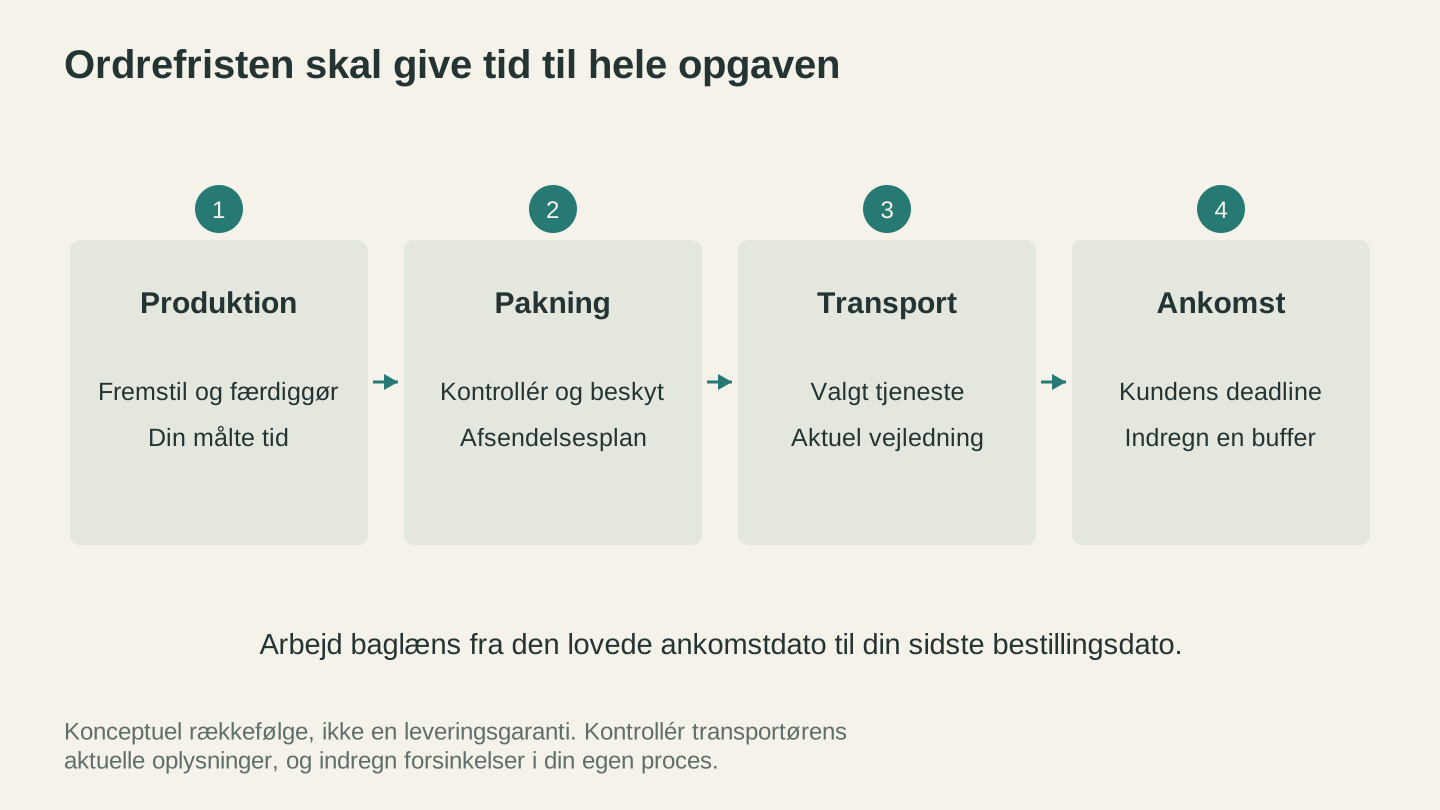
Arbejd baglæns fra kundens ankomstdato. Din sidste frist skal give plads til produktion, afsendelse, transport og en realistisk buffer til forsinkelser.
Din opgave sidst i august
Hvis det stadig er august eller først i september, begynder hele planen med én eftermiddag: Vælg det korte sortiment, beregn materialer til det dobbelte af sidste års bedste måned, og bestil dem. Det er det hele. Alt andet i dette indlæg har sin plads i kalenderen og venter på dig.
Når oktober kommer, og det er tid til at få hver produktannonce til at fortjene sin plads, kan ListingLab skrive udkast til titler, beskrivelser og søgeord ud fra ét produktfoto. Og før din første julemesse kan du bruge et gratis minut i QR Code Generator, så standens besøgende kan finde din butik, efter at de er gået videre. Dit december-jeg regner med dit august-jeg. Lad dem ikke i stikken.
Relaterede værktøjer
Klar til at prøve disse værktøjer?
Tilmeld dig gratis, intet kreditkort kræves. Gratis værktøjer er tilgængelige med det samme.
Kom gratis i gang