

Sublimazione vs HTV vs vinile: quale usare per questo lavoro?
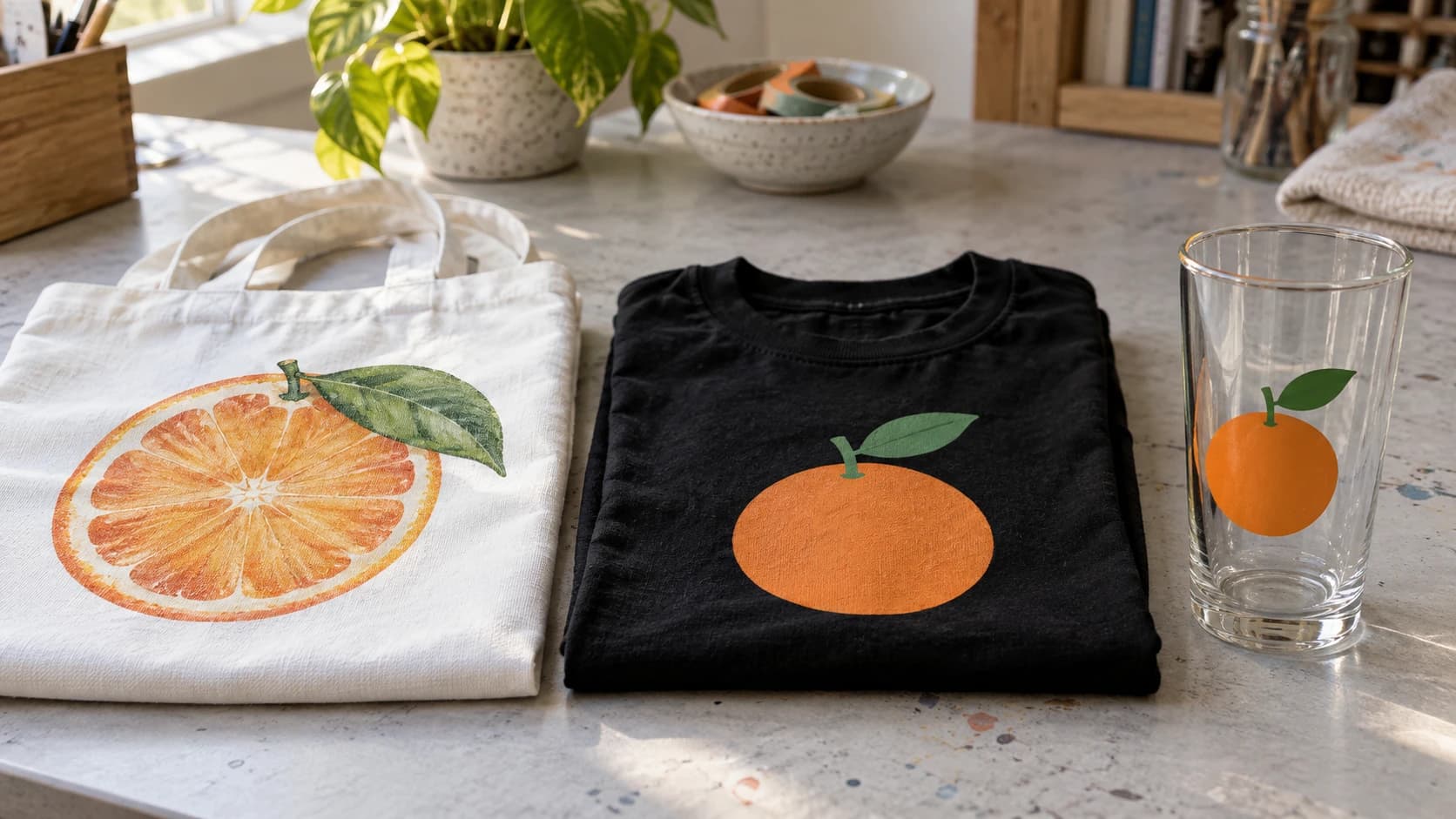
Hai una felpa nera in cotone, una tote bag bianca in poliestere, un tumbler in acciaio inox e una foto che il cliente vuole su tutti e tre.
Qualcuno in un forum dice di usare il vinile. Qualcun altro dice la sublimazione. Una terza persona dice vinile, ma intende un materiale completamente diverso dal primo, perché la parola viene usata per due prodotti che si comportano in modo completamente diverso.
Ecco il punto che chiarisce quasi tutto: non sono tre qualità dello stesso prodotto. Sono tre processi fisicamente diversi e, di solito, è il materiale che stai decorando a decidere per te.
Suggerimento
Risposta breve: la sublimazione tinge la superficie del poliestere e dei supporti rivestiti e funziona solo sui colori chiari. Il vinile termoadesivo è uno strato applicato sul tessuto e funziona su cotone e capi scuri. Il vinile adesivo è un adesivo per superfici rigide e non va usato su tessuti che finiscono in lavatrice.
Cosa fa fisicamente ciascun metodo
La sublimazione trasforma il colorante in un gas che penetra nel polimero del materiale, poi si raffredda al suo interno. Non c'è alcuno strato. Non puoi percepire la stampa al tatto e non c'è nulla che possa creparsi o staccarsi, perché non c'è nulla appoggiato sopra.
Il vinile termoadesivo (HTV) è un sottile foglio di vinile colorato con un adesivo attivato dal calore. Lo tagli, elimini tutto ciò che non fa parte del disegno e lo pressi sul tessuto. Rimane sulla superficie come uno strato vero e proprio, percepibile con la punta delle dita.
Il vinile adesivo è un adesivo. Lo tagli, lo spellicoli, lo trasferisci con il nastro di applicazione e lo attacchi a qualcosa di rigido. Non serve calore. Rimane al suo posto grazie solo all'adesivo.
È quest'ultima distinzione a generare la maggior parte della confusione tra i principianti. HTV e vinile adesivo si tagliano entrambi con la stessa macchina e vengono chiamati entrambi "vinile", ma uno viene pressato sul tessuto con il calore e l'altro viene incollato su oggetti rigidi.
STAMPA. TAGLIA. INCIDI.
- Più formati (SVG, DXF, PNG)
- Design testati sulle macchine
- Licenze commerciali
Sponsorizzato da PrintCutCarve.com
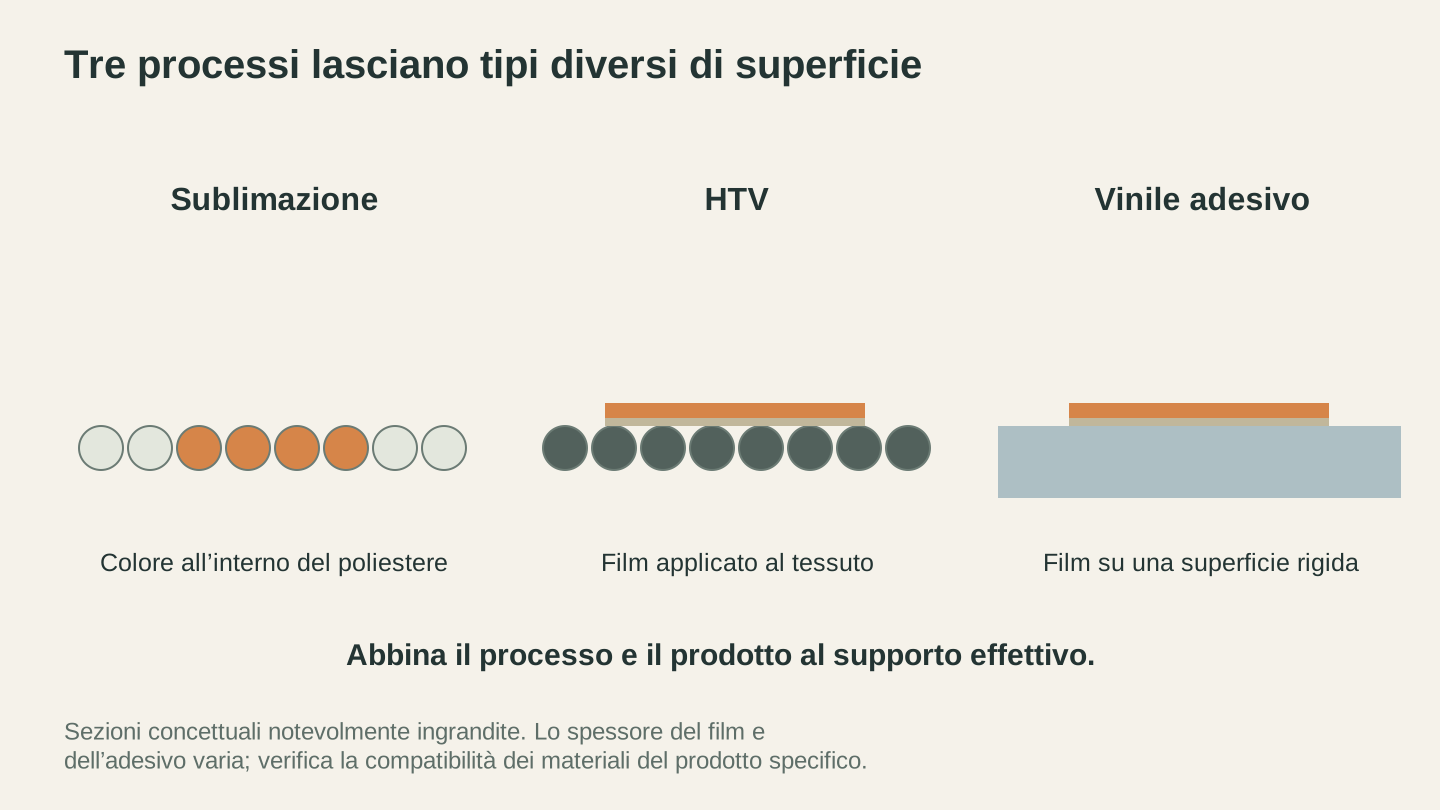
I processi lasciano strutture materiali diverse. Queste sezioni ingrandite mostrano la distinzione; gli spessori degli strati sono illustrativi.
Lascia decidere al supporto
Nove volte su dieci, ciò che stai decorando restringe la scelta a una sola risposta.
| Cosa stai decorando | Usa | Perché |
|---|---|---|
| Maglietta in poliestere bianca o chiara | Sublimazione | Nessuna superficie percepibile, nessuna crepa, colori pieni |
| Maglietta nera o scura | HTV | La sublimazione non ha inchiostro bianco e non può coprire una base scura |
| 100% cotone, di qualsiasi colore | HTV | La sublimazione non ha nulla a cui aderire nel cotone |
| Tessuti insoliti | Controlla prima | La compatibilità dell'HTV è indicata per ogni prodotto: verifica prima dell'acquisto |
| Tazza in ceramica rivestita | Sublimazione | Resistente e generalmente lavabile in lavastoviglie secondo il fornitore |
| Tumbler in acciaio inox non rivestito | Vinile adesivo | Senza rivestimento, il colorante non ha nulla a cui aderire |
| Tumbler in acciaio inox rivestito per sublimazione | Sublimazione | Più resistente di un adesivo su un articolo per bevande |
| Vetro, insegna in legno, acrilico | Vinile adesivo | Superficie rigida, niente lavaggio e nessun calore necessario |
| Finestrino o paraurti dell'auto | Vinile adesivo per esterni | Progettato per resistere a raggi UV e intemperie |
| Pannello rigido o ardesia rivestiti | Sublimazione | Fotografie a colori, permanente |
| Tote bag in tela, cotone | HTV | Ancora una volta, il cotone |
| Tote bag in tela, poliestere | Entrambi | Sublimazione per i colori pieni, HTV per forme marcate e uniformi |
Attenzione
Il vinile adesivo su una t-shirt è il classico errore dei principianti. All'inizio sembrerà perfetto, ma si staccherà al primo lavaggio, perché è un adesivo senza legame attivato dal calore con le fibre. Se va in lavatrice, servono HTV o sublimazione.
Il confronto completo
| Sublimazione | HTV | Vinile adesivo | |
|---|---|---|---|
| Sensazione sulla superficie | Nessuna | Uno strato percepibile al tatto | Uno strato percepibile al tatto |
| Funziona sul cotone | No | Sì | Non per il lavaggio |
| Funziona sui colori scuri | No | Sì | Sì |
| Fotografie a colori pieni | Sì | Solo con HTV stampabile | Solo con vinile stampato |
| Spellicolatura necessaria | Mai | Ogni volta | Ogni volta |
| Attrezzatura | Stampante per sublimazione, carta, pressa a caldo | Macchina da taglio, pressa a caldo | Macchina da taglio |
| Costo iniziale | Più alto | Medio | Più basso |
| Costo per un piccolo disegno | Basso | Basso | Basso |
| Disegni multicolore | Gratuito, è una sola stampa | Uno strato per colore, pressato in sequenza | Uno strato per colore, allineato a mano |
| Durata sul tessuto | Dura quanto il capo | Buona, può creparsi o staccarsi con il tempo | Scarsa, non per il lavaggio |
| Ideale per | Foto, colori su tutta la superficie, supporti rigidi | Grafiche marcate, capi scuri, cotone | Superfici rigide, insegne, articoli per bevande |
La riga su cui vale la pena soffermarsi è quella dei disegni multicolore. Un disegno a quattro colori non costa nulla in più con la sublimazione, perché in ogni caso è un solo foglio stampato. Con il vinile, quattro colori significano quattro tagli, quattro spellicolature e quattro allineamenti: il lavoro cresce a ogni colore aggiunto.
Quanto ti costa davvero in termini di tempo
Si parla continuamente del costo iniziale e quasi mai del costo in termini di tempo, anche se è il tempo a determinare se vale la pena vendere un prodotto.
La sublimazione concentra il lavoro iniziale nel file. Una volta corretto il disegno, la pressatura è rapida e quasi identica ogni volta. Il lavoro per articolo è ridotto, ed è per questo che si adatta ai volumi elevati.
L'HTV non concentra il lavoro iniziale e ti presenta il conto a ogni singolo pezzo, perché ogni pezzo deve essere spellicolato. Un disegno dettagliato con molte piccole forme interne può richiedere più tempo per la spellicolatura di tutto il resto messo insieme. I nostri consigli per la spellicolatura esistono per un buon motivo.
Il vinile adesivo si trova nel mezzo. La spellicolatura resta necessaria, ma l'applicazione è rapida e non richiede una pressa.
Quindi un disegno complicato e dettagliato è economico con la sublimazione e costoso con il vinile, mentre una forma marcata a due colori è rapida con entrambi.
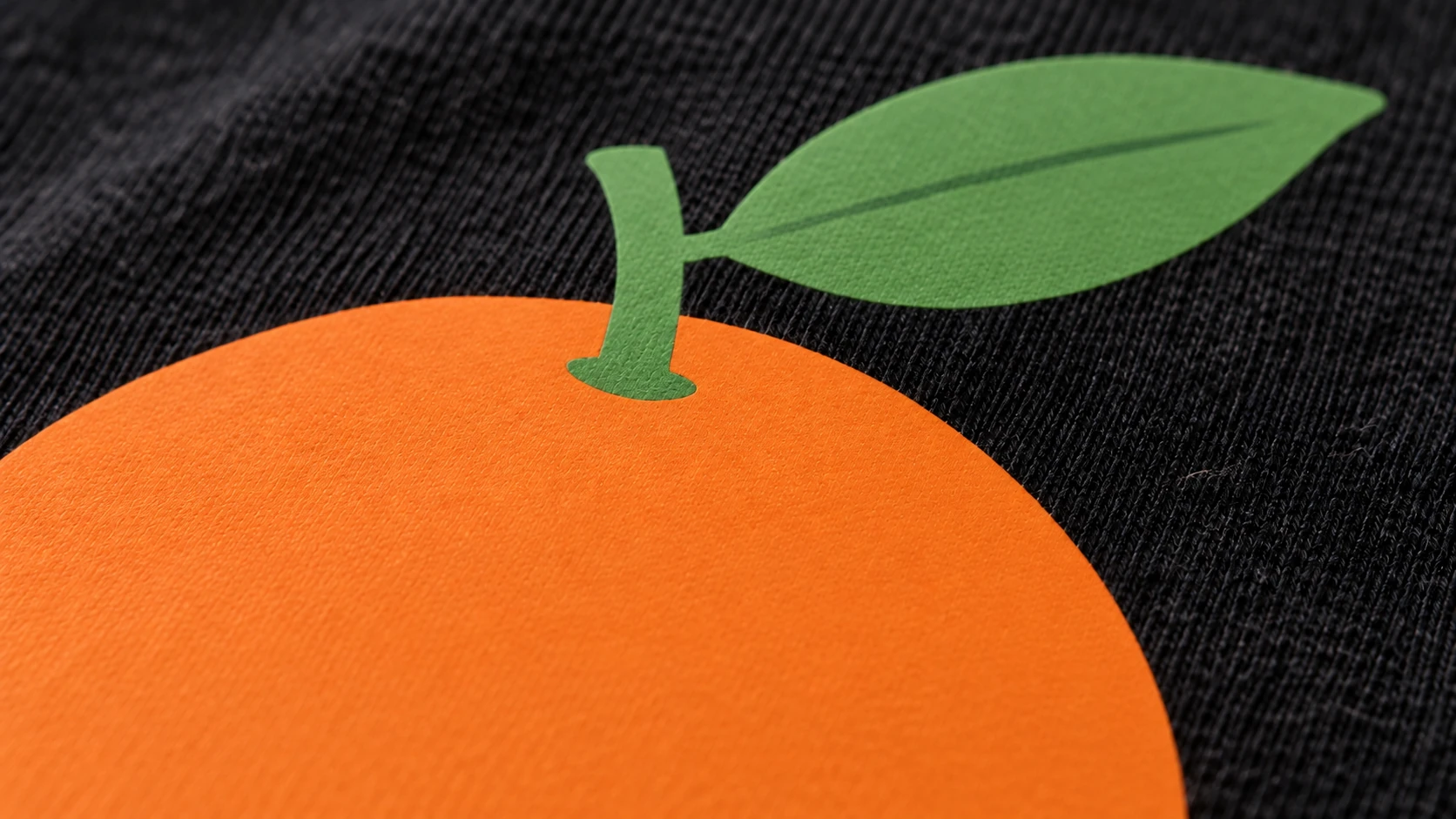
La stessa maglietta, vista da vicino, mostra il sottile confine tra la pellicola opaca e il tessuto a maglia. Il disegno si trova sopra le fibre.
Dove si commettono gli errori
Migrazione del colore sul poliestere. Pressare HTV chiaro su un capo scuro in poliestere può far fuoriuscire il colorante dal tessuto e trasferirlo sul vinile, trasformando in rosa le lettere bianche su una maglietta rossa. Il problema compare dopo ore o giorni, non subito. La risposta abituale è un HTV barriera progettato per questo problema.
Misti poliestere-cotone e sublimazione. Funzionano, ma il risultato sarà sbiadito in proporzione alla quantità di cotone presente nella miscela. Venduto come effetto vintage, è un pregio. Venduto come stampa a colori pieni, è una lamentela.
Istruzioni di lavaggio per gli articoli per bevande. Alcuni vinili adesivi permanenti sono classificati come lavabili in lavastoviglie se applicati e lasciati aderire seguendo le istruzioni, mentre molti altri non lo sono. La sublimazione su un supporto rivestito è generalmente classificata come più resistente. In ogni caso, indica la classificazione del produttore per il prodotto esatto che hai usato, invece di applicare una regola generale.
Stratificare troppo l'HTV. Ogni strato aggiunge spessore e rigidità. Oltre due o tre strati, il disegno inizia a sembrare una toppa cucita sulla maglietta.
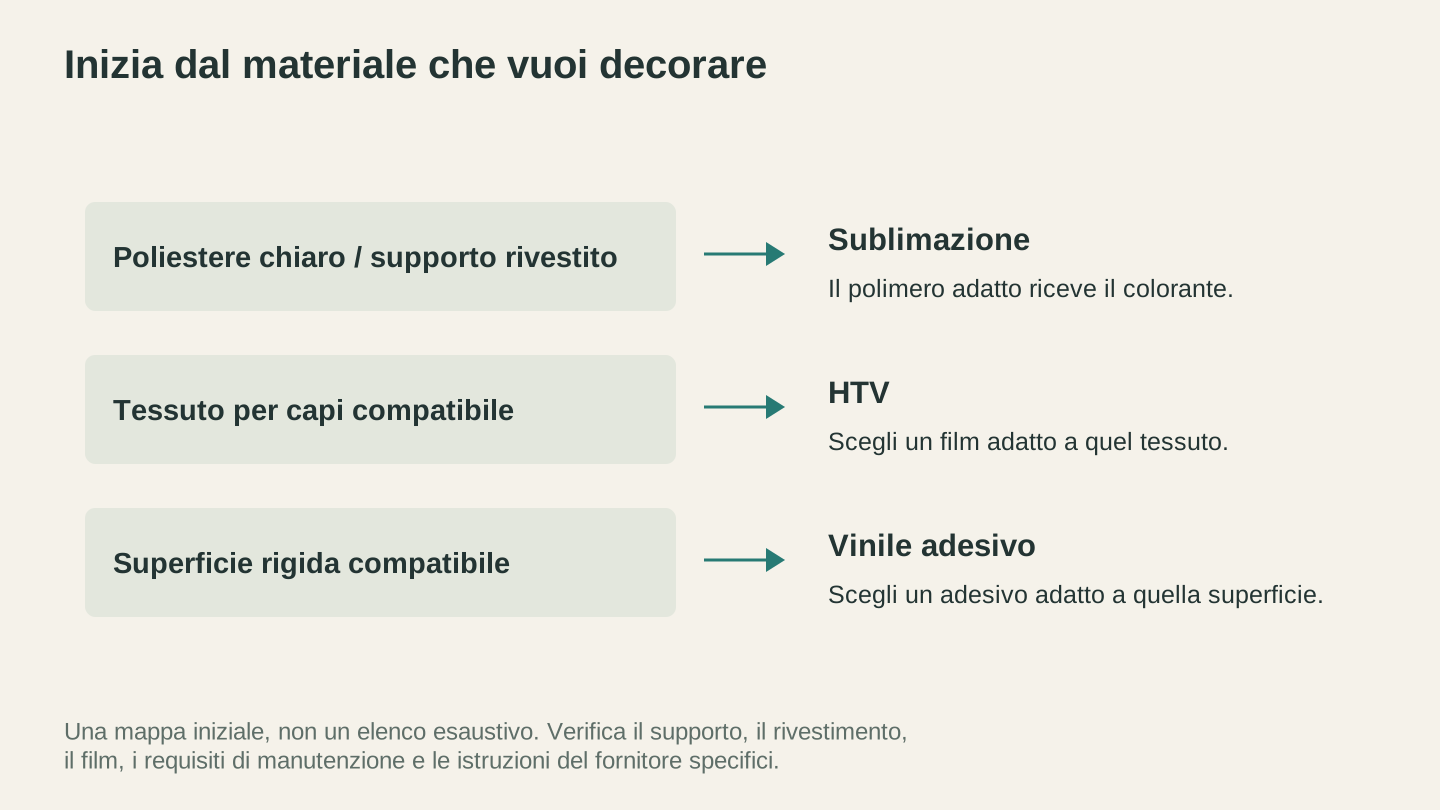
Inizia dal supporto, poi verifica la compatibilità con il materiale di trasferimento specifico. Colore, rivestimento e uso previsto possono cambiare il processo più adatto.
Preparare la grafica
I processi richiedono file diversi, ed è utile saperlo prima di iniziare a progettare.
La sublimazione vuole i pixel. Un'immagine raster ad alta risoluzione, dimensionata per il supporto, con trasparenza reale dove lo sfondo non deve essere stampato. La nostra guida alla preparazione delle immagini spiega i calcoli della risoluzione e PixelPrep gestisce scontorni e upscaling.
Entrambi i vinili vogliono i vettori. Una macchina da taglio segue i tracciati, quindi il disegno deve essere composto da contorni anziché da pixel. MonoTrace converte gratuitamente un'immagine in vettori puliti e pronti per il taglio, mentre la nostra guida alla pulizia di un'immagine ricalcata spiega come fare in modo che quei tracciati vengano tagliati bene.
Per comporre layout più piccoli, Canvas Pro funziona nel browser, con tele fino a 2000 pixel per lato.
La maggior parte dei venditori finisce per usarne due
Non è davvero una gara e, di solito, i maker che ottengono buoni risultati usano più di un processo.
L'abbinamento più comune è sublimazione più HTV: la sublimazione copre il poliestere chiaro e i supporti rigidi rivestiti in polimero pronti per la sublimazione, l'HTV copre il cotone e i capi scuri e, insieme, permettono di accettare quasi qualsiasi richiesta di abbigliamento.
Se possiedi già una macchina da taglio, ti basta una pressa a caldo per usare l'HTV: è la capacità più economica da aggiungere. La sublimazione richiede un investimento maggiore e conviene quando lavori su volumi elevati, progetti a colori pieni o supporti rigidi come tazze e pannelli fotografici.
La nostra guida alla sublimazione per principianti e la guida al vinile termoadesivo approfondiscono ciascun metodo.
Domande frequenti
Qual è la differenza tra HTV e vinile adesivo?
L'HTV ha un adesivo attivato dal calore e viene pressato sul tessuto. Il vinile adesivo è un adesivo per superfici rigide e non usa calore. Si tagliano con la stessa macchina, ecco perché vengono confusi.
La sublimazione è migliore dell'HTV?
Nessuno dei due è migliore. La sublimazione offre una stampa impercettibile al tatto su poliestere chiaro e supporti rivestiti. L'HTV funziona su cotone e capi scuri, dove la sublimazione non può funzionare.
Posso usare il vinile adesivo su una t-shirt?
Non se verrà lavata. Non ha un legame attivato dal calore con le fibre e si stacca. Per i capi d'abbigliamento usa l'HTV.
Si può fare la sublimazione su una maglietta scura?
No. Non esiste un inchiostro bianco per sublimazione e il colorante è traslucido, quindi il colore del capo traspare da tutto ciò che stampi.
Qual è il metodo più economico per iniziare?
Il vinile adesivo, perché basta una macchina da taglio. L'HTV aggiunge una pressa a caldo. La sublimazione aggiunge una stampante dedicata, carta e pressa.
Quale dura più a lungo su una maglietta?
La sublimazione, perché non c'è alcuno strato che possa creparsi o staccarsi. Anche un buon HTV, pressato correttamente e lavato al rovescio, dura a lungo, ma è uno strato e prima o poi gli strati cedono.
Scegli in base al supporto che hai in mano
La prossima volta che sei indeciso, lascia da parte la discussione sul processo e poniti due domande sull'oggetto che stai decorando.
Finirà in lavatrice? Se sì, scegli sublimazione o HTV, mai vinile adesivo. Poi: è poliestere chiaro o un supporto rivestito? Se sì, la sublimazione è un'opzione. Se è cotone o scuro, la risposta è l'HTV.
Questo copre quasi ogni lavoro che passerà dal tuo banco e richiede circa cinque secondi.
Una volta scelto il processo, la grafica viene di conseguenza: MonoTrace per i vettori pronti al taglio necessari a entrambi i vinili e PixelPrep per il raster pulito ad alta risoluzione richiesto dalla sublimazione.
Strumenti correlati
MonoTrace
Trasforma gratuitamente foto e illustrazioni in contorni SVG, con una modalità schizzo facoltativa.
Canvas Pro
Modifica immagini con livelli, pennelli, forme, testo e strumenti di selezione. Esporta PNG, JPEG o WebP.
PixelPrep
Rimuovi gli sfondi o ingrandisci le immagini con le impostazioni disponibili.
La rimozione dello sfondo richiede un abbonamento; l’ingrandimento usa crediti
Vuoi provare questi strumenti?
Registrati gratuitamente, senza carta di credito. Gli strumenti gratuiti sono subito disponibili.
Inizia gratis