

Beginner Cricut Projects That Actually Sell (And the Ones That Don't)
Every Cricut idea list has fifty projects on it. Ours does too, and it is a good starting point if you just want things to make: 50 Cricut Project Ideas for Beginners. But "fun to make" and "someone will pay for it" are two different lists, and they overlap less than you would hope.
This post is the seller's cut. Six beginner-friendly projects that actually move, with the part idea lists skip: what the materials cost, how crowded the market is, and where the profit actually hides. Plus the projects that look like winners and quietly are not.
Tip
Short answer: the most promising beginner categories are personalized and occasion-driven items: custom decals, personalized drinkware, event signage, and organization label sets. Generic quote products and anything using a licensed character are the traps.
The One Rule Before the List
A cutting machine has a brutal economic quirk: your materials are cheap and identical to everyone else's. A sheet of vinyl costs a couple of dollars whether it becomes a $4 sticker or a $40 custom order. The machine is not your advantage. Thousands of people own the same one.
Your advantage has to come from one of three places:
- Personalization. A name, a date, a pet, a team. Mass sellers cannot do this fast; you can.
- Occasion and deadline. Weddings, parties, and holidays come with dates attached. Buyers pay for "done by Saturday."
- Original design. Your own artwork instead of the same free file every other shop downloaded.
Every project below leans on at least one of these. If a product idea leans on none of them, you are competing on price against people with better bulk material rates than you, and that game is lost before it starts.
PRINT. CUT. CARVE.
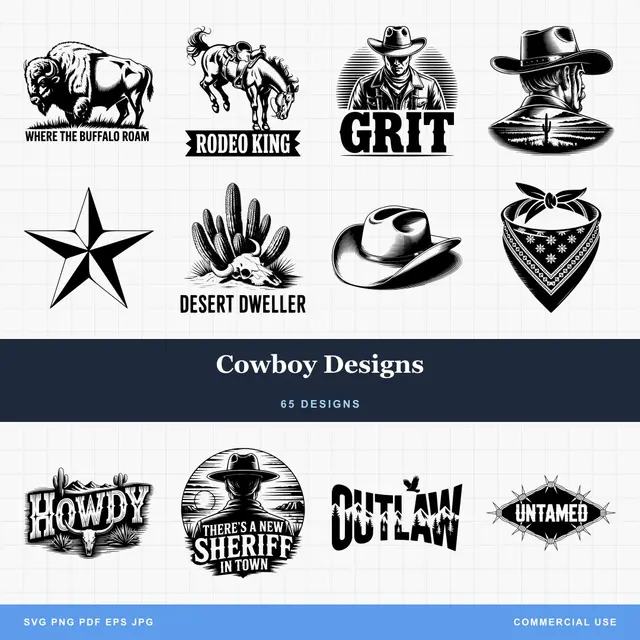
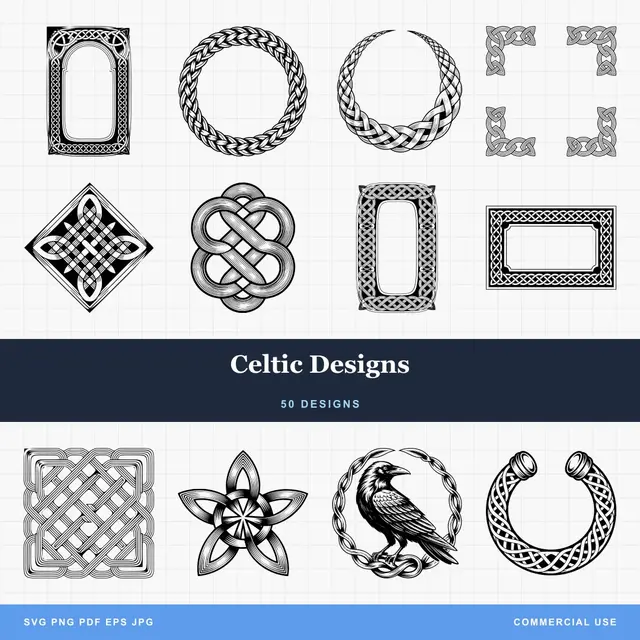
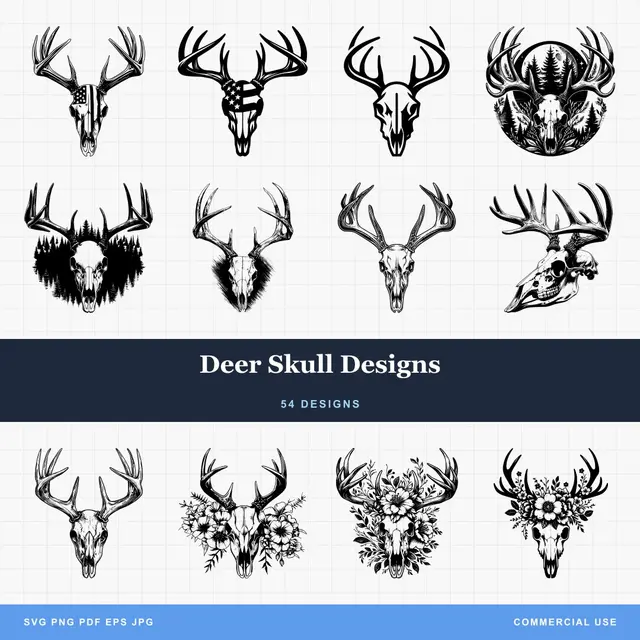
- Multiple formats (SVG, DXF, PNG)
- Machine-tested designs
- Commercial licenses
Sponsored by PrintCutCarve.com
The Six That Sell
1. Custom Vinyl Decals
The classic for a reason. Material cost is pocket change, shipping is a stamped envelope, and "custom" does the differentiation for you: a business name for a shop window, a fishing decal with the boat's name, a pet memorial for a car window.
The catch is that generic decals are the single most saturated cutting-machine product there is. The word "custom" is what saves it. When the buyer sends you the text or artwork, you are no longer competing with ten thousand identical listings.
Margins: excellent per piece, but the pieces are small. A few dollars of profit per decal means volume or upsells (sets, larger sizes) to make real money.
Effort: low per order once you have your process down. Weeding fine detail is the time sink; quote accordingly.
2. Personalized Drinkware
Tumblers, water bottles, and glassware with permanent adhesive vinyl. This is the personalization play at its purest: bridesmaid sets, teacher gifts, team orders. Sets are the profit engine here. One bride ordering eight matching tumblers is a better afternoon than eight strangers ordering one each.
Margins: good, because the blank does the heavy lifting. You buy a $4 tumbler, add fifty cents of vinyl and your time, and sell a personalized product for $15 to $25. Buy blanks in cases, not singles.
Effort: moderate. Applying vinyl smoothly to a curved surface is a skill, and you will ruin a few learning it. Budget those blanks as tuition.
Warning
Be honest in your listings about care. Unless the specific vinyl you used is rated dishwasher-safe and you followed its application instructions, tell buyers to hand wash. Sellers who skip that line pay for it in reviews.
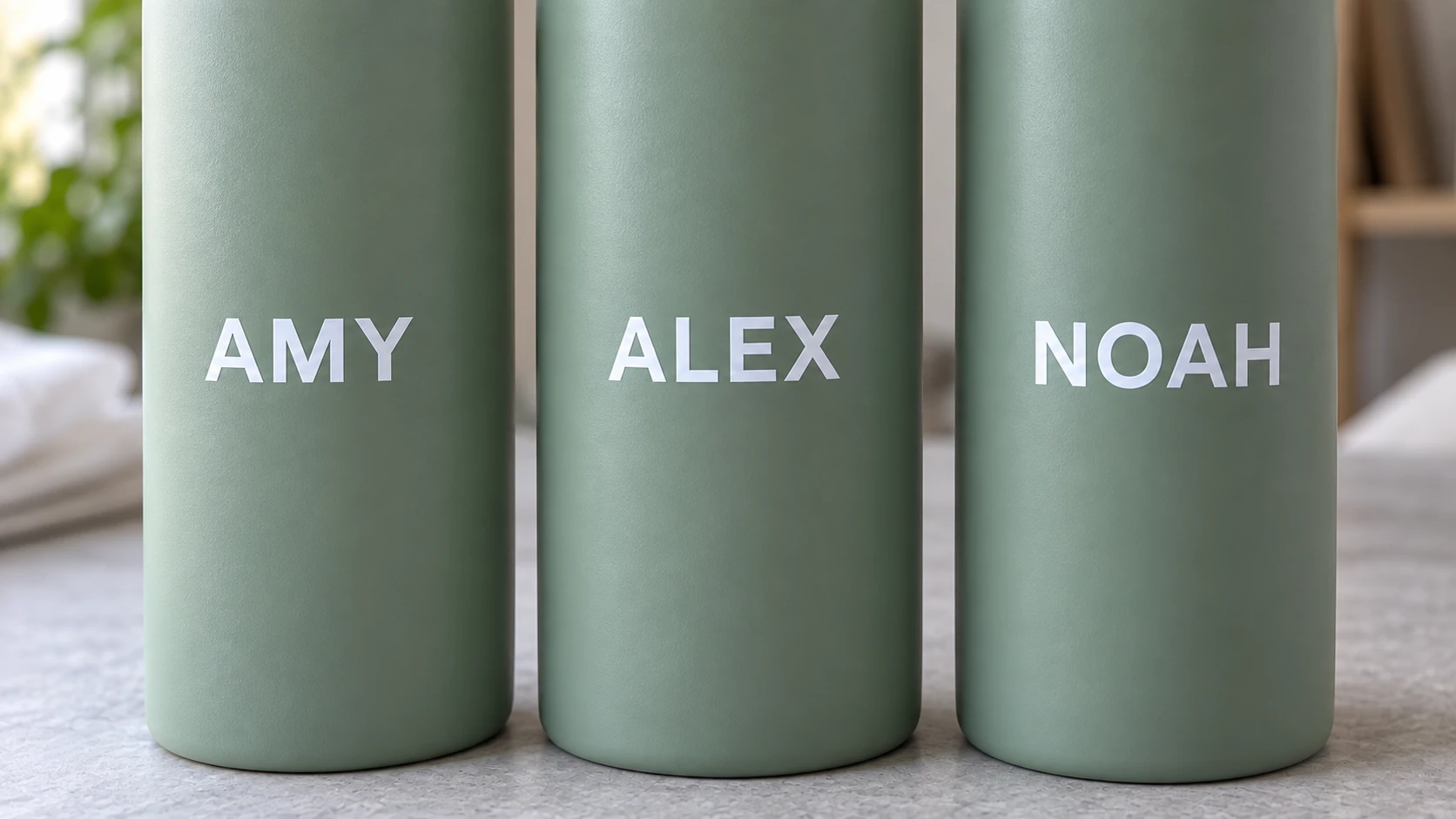
Keep the lettering height and placement consistent across a personalized set, even when the names have different lengths.
3. Custom Apparel with Iron-On Vinyl
Shirts, tote bags, baby onesies, hoodies. Heat transfer vinyl (HTV) plus a heat press or even a household iron gets you started. What sells is not "a shirt": it is the bachelorette party set, the family reunion batch, the tiny local team that needs fifteen shirts by the weekend.
Group orders are the whole game. One customer, one design, one production run, fifteen units. That is the best hourly rate a beginner can reach with a cutting machine.
Margins: thin on single shirts, healthy on batches. Blank quality matters: a shirt that shrinks or pills takes your reputation with it.
Effort: moderate. Pressing is fast; the time goes into sizing artwork for different garment sizes and getting placement consistent across a batch.
4. Wedding and Event Signage
Welcome signs, table numbers, seating charts, cake toppers, favor tags. Event buyers are the best customers in this list: they have a real budget, a hard deadline, and they order in matched sets.
This is also the least saturated of the six, because it requires something the casual seller will not do: reliability. A missed Etsy sticker order is a refund. A missed wedding order is a disaster. If you are organized, that fear keeps your competition thin.
Margins: the best here. A cardstock and vinyl seating chart costs a few dollars in materials and sells for $50 or more, because the buyer is paying for it existing, on time, matching everything else.
Effort: high per order, front-loaded in design and proofing. Build a small set of signature styles instead of designing every order from scratch.
5. Organization Label Sets
Pantry labels, spice jar labels, bathroom and playroom sets. The buyer is decorating a whole room, so labels usually sell as coordinated sets of a few dozen, rarely one at a time. That turns a low-value product into a respectable order.
The market is crowded, but it splits on style. The shops that do well have a recognizable look across the whole set, not one label design copied from the same free file everyone else uses.
Margins: good, and production is friendly: long identical runs, flat sheets, cheap shipping.
Effort: low per order after the upfront design work. This is the most "make once, sell repeatedly" product on the list.
6. Stickers and Sticker Sheets
Last on purpose. Stickers are the most beginner-friendly product and the most brutally saturated one. Print-then-cut stickers with someone else's clip art sell to nobody. Stickers with your own art style can build a real following.
So treat stickers as an original-design product or skip them. If you draw, doodle, or paint, even casually, this is where that pays: scan or photograph your artwork and MonoTrace will turn it into a clean cut-ready SVG for free. Your own weird little mushroom drawings are something no other shop can list, and that is the only real edge stickers offer.
Margins: fine per sheet, weak per hour unless you sell in packs and build repeat buyers.
Effort: low to produce, high to stand out.
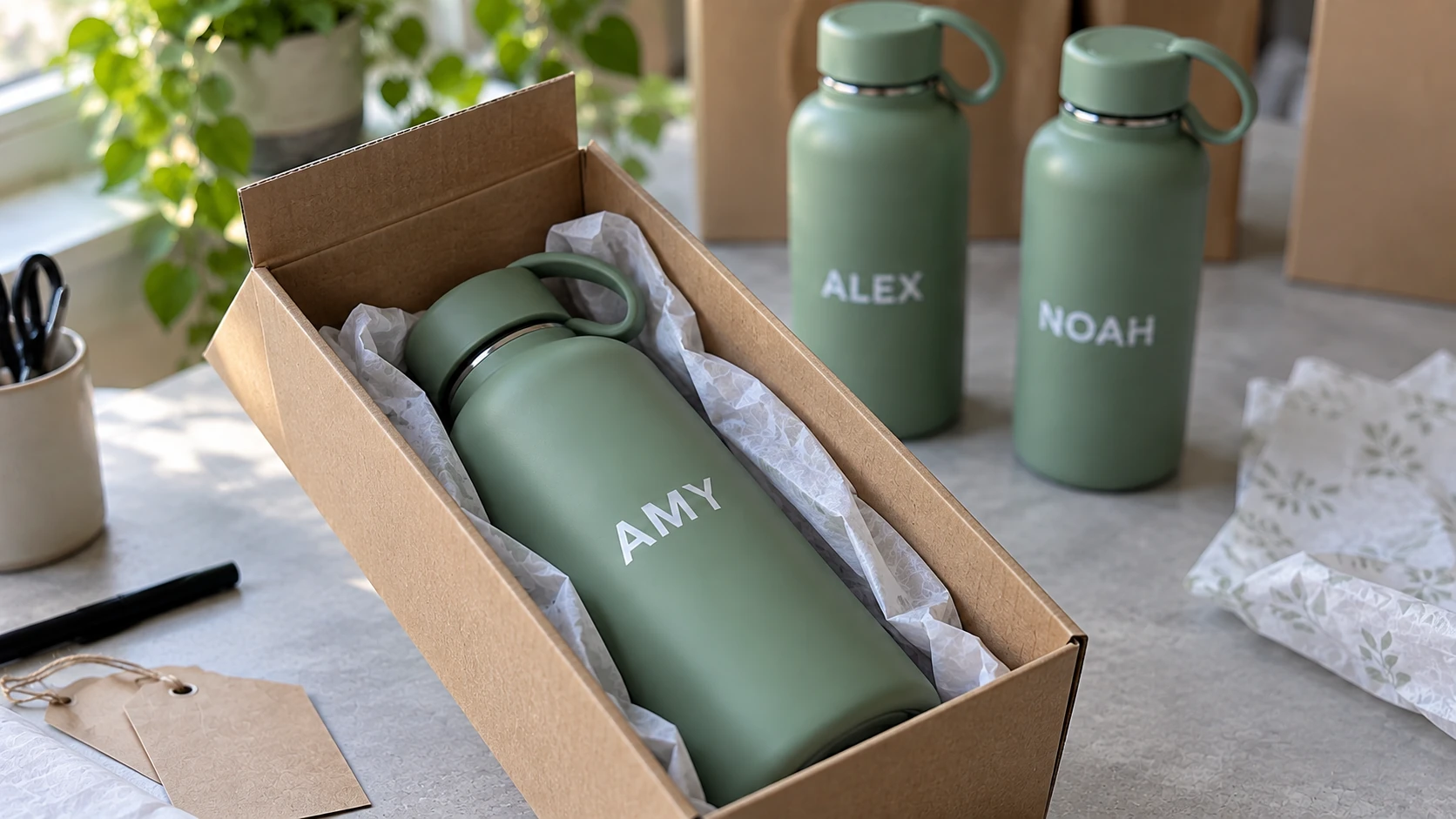
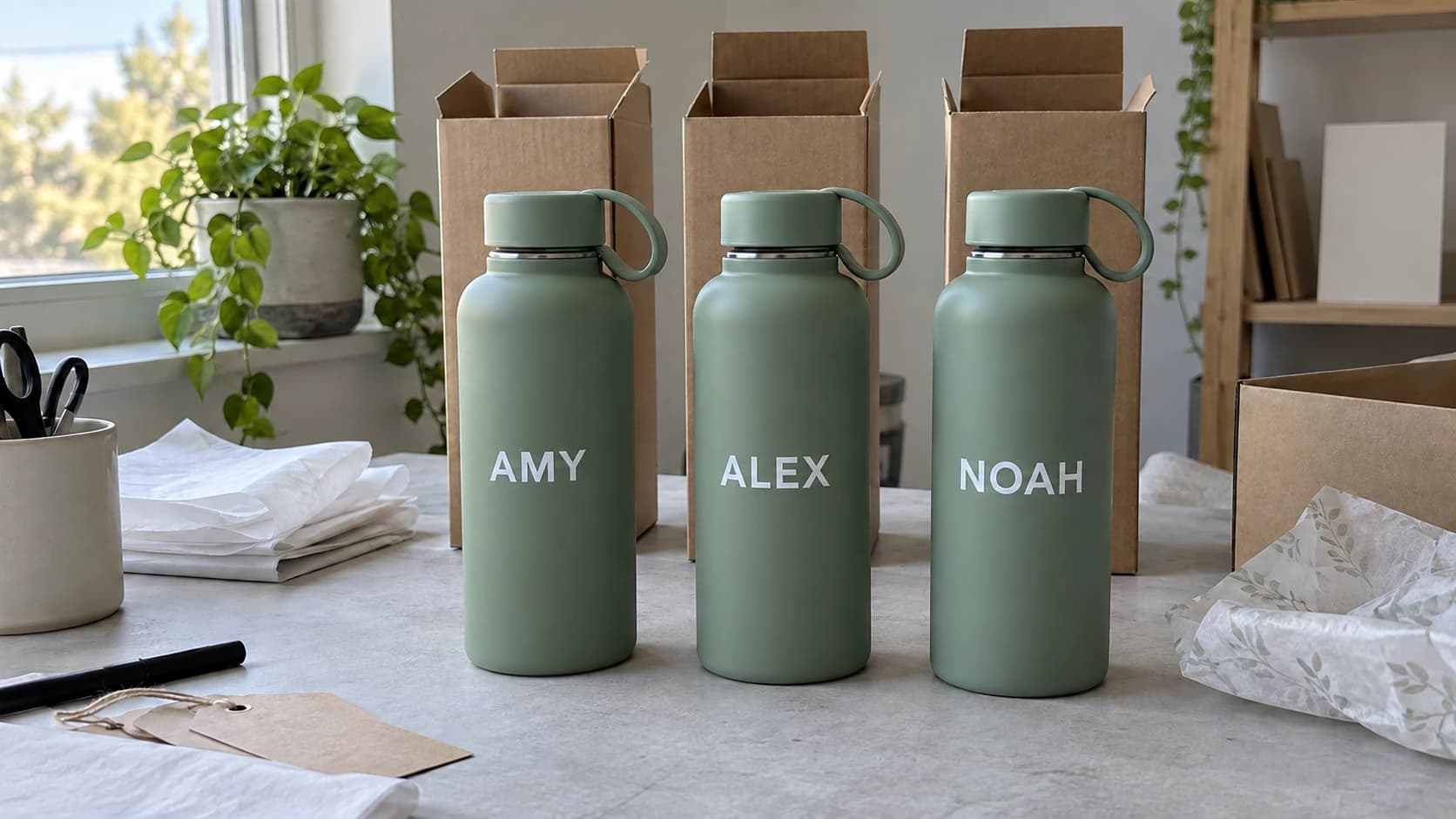
The same AMY bottle in a simple gift box. Packaging is another part of the project to include when estimating materials and assembly time.
The Honest Comparison
Ballpark figures for a beginner setup, to compare the shapes of these businesses rather than promise exact numbers. Prices are typical asking prices, not verified sales, and the saturation column is our editorial read of the market. Your materials, region, and niche will move all of it.
| Project | Material cost | Typical price | Saturation | Best lever |
|---|---|---|---|---|
| Custom decals | Under $1 | $5 to $15 | High (custom: medium) | Personalization |
| Personalized drinkware | $4 to $8 | $15 to $25 | Medium | Sets and blanks bought in bulk |
| Custom apparel (HTV) | $5 to $10 | $18 to $30 | Medium | Group orders |
| Event signage | $3 to $10 | $25 to $75+ | Low | Deadlines and reliability |
| Label sets | $2 to $5 | $15 to $40 | Medium-high | Cohesive style, sheet quantities |
| Stickers | Under $1 | $3 to $6 | Very high | Original artwork only |
Notice what the table actually says: the products with the lowest material cost have the most competition, and the best margins live where the work is scariest (deadlines, custom orders, batches). That is not a coincidence. The friction is the moat.
What Not to Make
Three traps that catch almost every beginner:
Licensed designs. Cartoon characters, sports team logos, movie quotes, brand logos. They sell, which is exactly the problem: selling them without a license can infringe copyright or trademark rights, and marketplaces remove reported listings and can close repeat-offender shops. If you did not draw it and do not have rights to it, it is not your product.
Generic quote products. A mug or shirt with a popular saying in a popular font is the most duplicated product in the entire craft market. There is no personalization, no deadline, and no original design, so the only competition left is price.
Anything built on a popular free SVG. Free files are great for learning and personal projects. But a design available to everyone is, by definition, differentiating for no one. Search your product idea before you make it: if page one is a wall of near-identical listings, that free file is why.
Pricing Like a Seller, Not a Hobbyist
The default beginner move is to price at materials plus a little, because "it only cost me $3 to make." That math ignores your design time, your weeding time, your failed blanks, and your fees, and it anchors your shop at a level you can never raise without losing your only advantage.
Charge for the finished product's value to the buyer, not your material receipt. A personalized tumbler is competing with gift-shop prices, not with the cost of a blank. Our pricing guide for handmade products walks through the formula properly, including the wholesale math you will want later.
Getting Found Is Half the Product
Every product above dies in an empty shop. On marketplaces, search is the main road to personalized and custom items, which makes your titles, tags, and descriptions as much a part of the product as the vinyl.
This is the part most makers do worst, and it is the most automatable. ListingLab takes one photo of your finished piece and drafts titles, descriptions, and search keywords built for how buyers actually search, and it can generate clean styled product photos when your only shot is on the craft table. If you are selling on Etsy, our Etsy seller's guide covers the shop-level decisions: fees, niching, and how to read what is already selling.
Start With One
Pick the single project above that matches what you already have: a steady hand for weeding, an eye for design, or just the nerve to take a deadline. Make five of it. List them properly. The maker who ships five real listings this week learns more about what sells than the one still reading idea lists.
Trace your first original design with MonoTrace for free, and let ListingLab write the listing that gets it found.
Related Tools
Ready to try these tools?
Sign up free, no credit card required. Free tools available immediately.
Start Free