
Maker Side-Hustle Ideas You Can Start This Weekend
Most advice about maker side hustles starts with "what should I make?" That is the wrong first question. Two makers can produce the exact same coaster and end up with completely different businesses: one takes custom orders one at a time, one sells the design file to other makers, one wholesales fifty sets to a local gift shop. Same product, three different jobs.
The product question has an answer already. Our ranked list of 40 things makers can sell covers it in detail. This post is about the other half: the business model. How you sell changes your startup cost, your hours, and whether the thing ever grows beyond trading your Saturday for money.
There are six formats that cover almost every maker side hustle. Each one below gets the honest version: what it costs to start, what your time actually goes into, how it scales, and one concrete step you can take this weekend.
The Six Formats at a Glance
None of these is "the best one." They trade off against each other, mostly between margin and scalability. The formats with the highest margin per sale are the hardest to grow, and the ones that scale best pay almost nothing at first.
| Format | Startup cost | Time profile | How it scales |
|---|---|---|---|
| Custom orders | Low | Every order needs you | It mostly doesn't |
| Digital files | Almost zero | Heavy upfront, light after | Very well |
| Local niches | Low | Lumpy, order-driven | Through repeat clients |
| Fairs and markets | Booth fees + inventory | Whole weekends | More events, better events |
| Wholesale | Inventory upfront | Batch production runs | Through more accounts |
| Teaching and content | Almost zero | Slow burn | Well, eventually |
Most successful maker businesses end up running two or three of these at once, because they feed each other. A fair booth generates custom orders. A custom design becomes a file you sell. A wholesale client asks you to run a workshop. Start with one, but pick it knowing where it leads.
PRINT. CUT. CARVE.
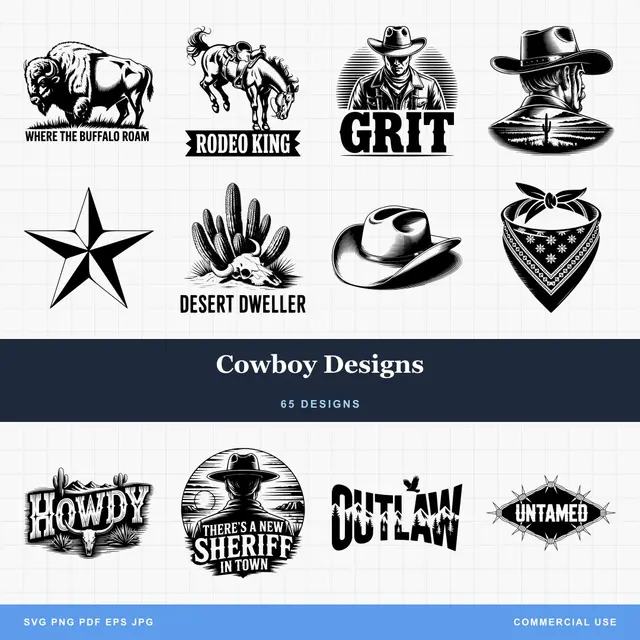
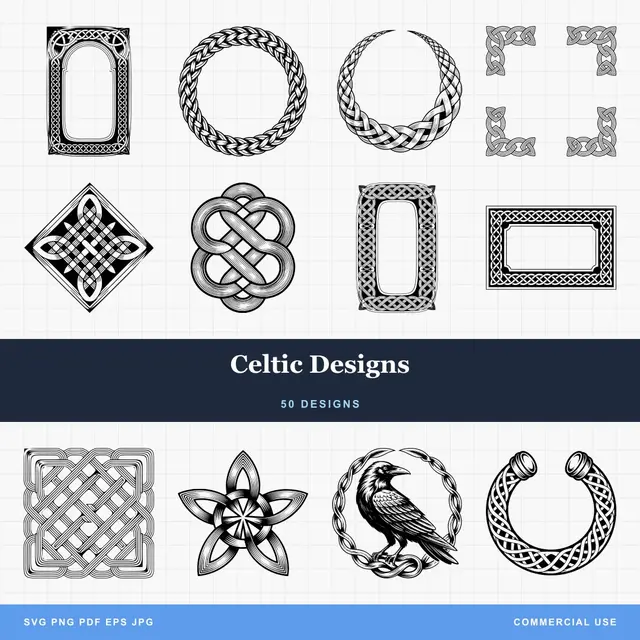
- Multiple formats (SVG, DXF, PNG)
- Machine-tested designs
- Commercial licenses
Sponsored by PrintCutCarve.com
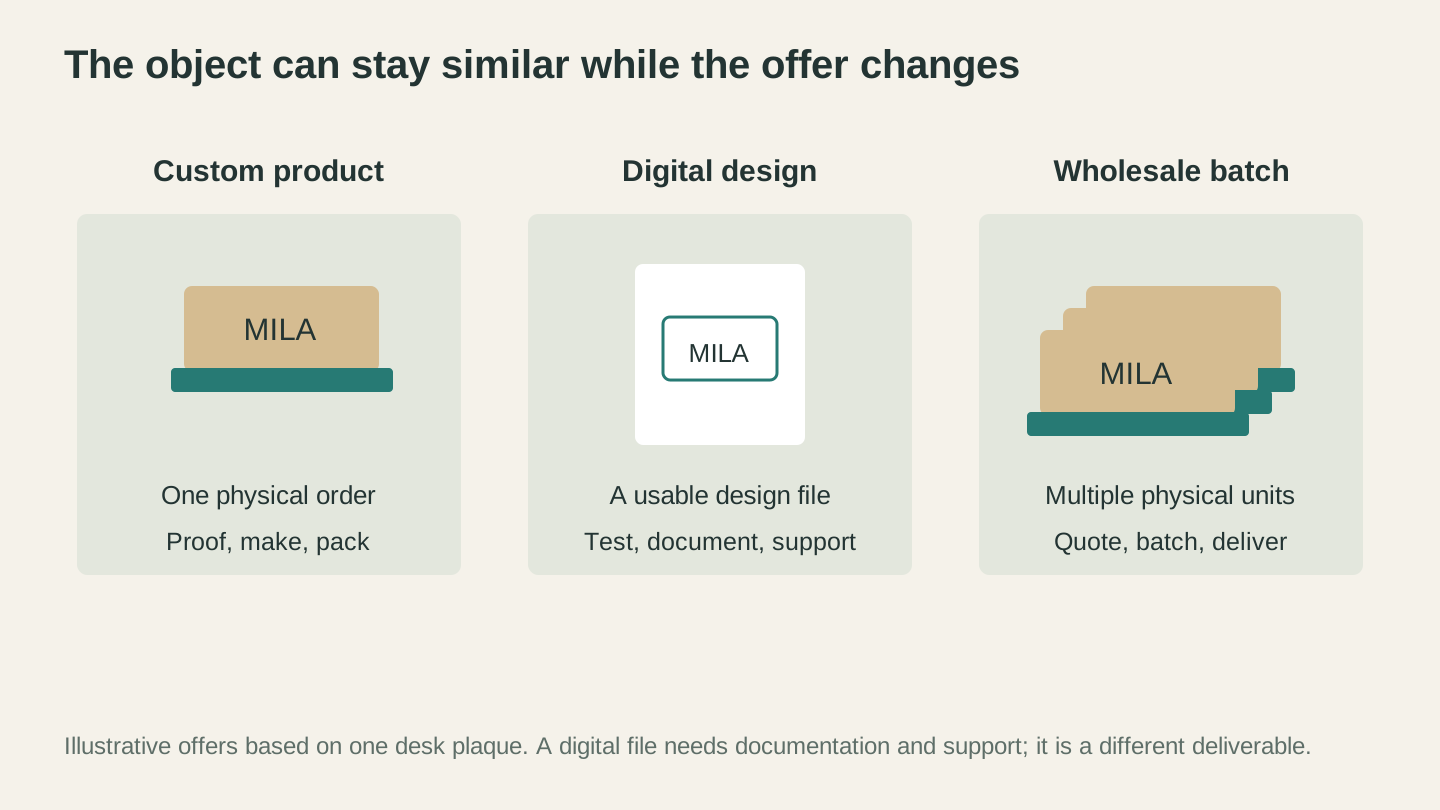
Similar designs can become different offers. Each brings its own deliverables, preparation and customer support.
Custom and Personalized Orders
Personalization is the single biggest advantage a small maker has. A mass producer cannot put someone's dog's name on a keychain by Thursday. You can, and people pay a real premium for it.
Startup cost: low. You need your machine, material for the order in hand, and a way for people to reach you. You do not need inventory, because nothing is made until someone asks for it.
Time profile: this is the catch. Every single order needs you. The design conversation, the proof you send for approval, the revision when they spell the name wrong the first time, the making, the packing. Custom work has the best margin per piece of anything on this list and the worst hourly rate once you count the messages.
How it scales: mostly, it does not. You can raise prices, tighten your options ("three fonts, two sizes" instead of "anything you want"), and template the common requests. But the ceiling is your evenings, and the way past that ceiling is usually one of the other five formats.
This weekend: make one personalizable product, photograph it well, and post it where people you actually know will see it. The first custom orders almost always come from your own network. When you list it online, ListingLab will draft the title, description, and search keywords from a single photo, which matters more for custom work than anywhere else because buyers find personalized items through search.
Tip
Decide your revision policy before your first order, not during it. "One free proof, changes after approval are paid" saves the friendship and the margin. Our pricing guide covers how to charge for the time customers do not see.
Selling Digital Design Files
Make a design once, sell the file forever. No material cost, no shipping, no "sold out." Cut files, 3D models, patterns, and templates all work this way.
Startup cost: almost zero in money. The real cost is upfront time: a sellable file has to be tested, cleaned, documented, and packaged, which takes far longer than making the design work once on your own machine.
Time profile: inverted from custom work. All the effort is before the first sale. After that, each sale takes you nothing, which is why people call it passive income. It is not passive at the start. It is front-loaded.
How it scales: better than anything else here. A file can sell fifty times in a month without you touching it. The trade is that individual files are cheap, buyers are other makers who notice every stray node, and one file rarely amounts to much. Catalogs sell; singles trickle.
This weekend: take the best design you have already cut successfully, clean up the file, cut it one more time exactly as a buyer would, and write a short instructions sheet with material thickness and the settings that worked for you. That is one listing. Before you build a catalog, read our digital downloads guide, which goes deep on where the income is real and where the "passive" claim falls apart.
Local Niches Nobody Is Serving
This is the most overlooked format on the list, and often the most profitable one. Every town has businesses and events buying generic products online because they have no idea a local maker exists.
A few examples of the kind of niche that hides in plain sight:
- Trophies and awards. Sports leagues, schools, and workplaces need them on a schedule, every season, forever.
- Event signage. Weddings, corporate events, and fundraisers need welcome signs, seating charts, and table numbers, usually in matched sets.
- Real estate closing gifts. Many agents buy a personalized gift for their closings, so one agent is a repeat customer built in.
- Restaurant menu QR displays. Restaurants that switched to QR menus are still taping laminated paper to tables. An engraved wood or acrylic stand with the code on it is a massive upgrade, and the QR Code Generator exports laser-ready SVG for free, so the code itself costs you nothing to produce.
Startup cost: low. You need one good sample of the thing to show, not inventory.
Time profile: lumpy. Nothing for two weeks, then an order for forty table numbers due Friday. Business clients order in batches, which is efficient production but demands real deadlines.
How it scales: through relationships. Business customers reorder, and they refer each other. One restaurant becomes three restaurants. This format also has far less price pressure than selling to gift buyers, because a business is comparing you to a signage company, not to the cheapest listing on a marketplace.
This weekend: make one excellent sample for one specific local niche. Not a pitch deck, a physical object you can hand someone. Then next week, walk it into the business. The walking-in part is the barrier that keeps everyone else out, and our first customers guide covers exactly how to start that conversation without feeling like a door-to-door salesman.
Craft Fairs and Markets
The classic, and still one of the best. Fairs compress months of online trickle into one weekend of face-to-face sales, and nothing teaches you faster about what people actually want. You watch which item every third person picks up, and you hear the objections out loud instead of guessing at them.
Startup cost: real, and paid upfront. Booth fees, a table setup, and enough inventory to look like a shop rather than a garage sale. This is the only format here where you build stock before you know it will sell.
Time profile: whole weekends, plus the production weeks before them. A fair is physically tiring in a way the other formats are not.
How it scales: more events, and better events. The difference between a slow market and a great one is enormous, and finding your good ones takes a season of trying. Fairs also feed every other format on this list: booth visitors become custom orders, and the fair is where a local business owner first sees your work.
This weekend: you probably cannot book a booth by Sunday, but you can find the fairs. Search your area's markets for the next three months, note their application deadlines, and apply to one small, cheap one as your test run. Then read our craft fair selling guide before you build the booth, because display and pricing mistakes are much cheaper to fix on paper.
Info
Put a QR code on your booth signage that links to your online shop. Plenty of fair visitors will like your work but not be carrying enough cash for it. The QR Code Generator makes one in a minute, free, as a PNG for print or SVG to engrave straight into your display.
Wholesale to Local Shops
Sell twenty units to one gift shop instead of one unit to twenty strangers. Under common keystone pricing, the shop buys your product outright at roughly half the suggested retail price and sells it on.
Startup cost: the highest on this list relative to income, because wholesale means inventory. A shop orders in dozens, and you produce the batch before you are paid in some arrangements, or immediately after in others.
Time profile: batch production. Long efficient runs of the same item, which is a completely different rhythm from custom work. If making the fortieth identical coaster sounds meditative, wholesale suits you. If it sounds like a factory shift, it does not.
How it scales: account by account. Each shop that stocks you is recurring revenue, because sold-out shelves get reordered. The margin per piece is the lowest here, which means wholesale only works for products you have genuinely optimized for production speed and material cost.
This weekend: work out your wholesale math. Take your best-selling product and calculate honestly whether you could sell it at half retail and still profit after materials and your time per unit at batch speed. Many products fail this test, and it is much better to learn that on paper. Our pricing guide walks through the wholesale-versus-retail math properly. If the numbers work, shortlist three local shops whose shelves your product belongs on.
Teaching and Content
If you have solved problems other makers are still googling, that knowledge is a product. Workshops, classes, video content, and paid guides all monetize the same asset: you already climbed the learning curve.
Startup cost: almost nothing for content, modest for in-person workshops (a space, materials for attendees).
Time profile: the slowest burn on this list. Content takes months of consistent output before anyone is watching, and workshop audiences build by word of mouth. This is the format where honest expectations matter most: it pays in reputation long before it pays in money.
How it scales: eventually, very well. A workshop repeats. A video earns while you sleep. And teaching feeds everything else, because the local workshop attendee becomes the person who recommends you for the custom job, and an audience that trusts you will buy your files.
This weekend: write down the five questions other makers ask you most. Answer one of them thoroughly, in whatever medium is natural for you: a post, a short video, a one-page guide. That is your first piece of teaching, and it costs you an afternoon.
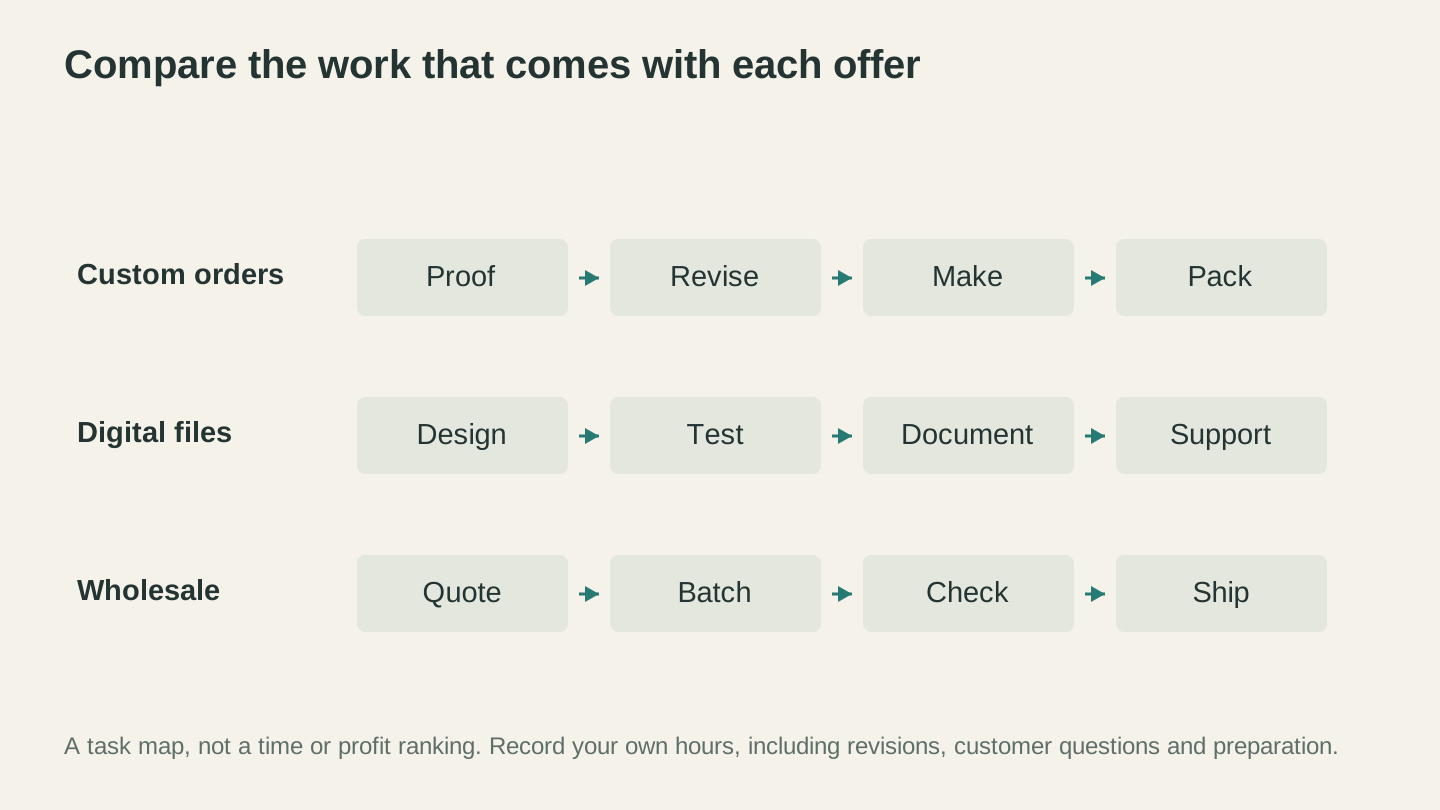
Compare the work you will actually spend time doing. Digital products still need testing, instructions and support; batch orders still need quoting and quality checks.
Picking Your Format
Match the format to your actual constraints, not to whichever one sounds most impressive:
- Have evenings but no cash? Custom orders or digital files.
- Hate customer messages? Digital files or wholesale.
- Good in a room with people? Fairs and teaching.
- Want recurring revenue? Local niches and wholesale.
- Building for years, not months? Teaching and content.
Then start embarrassingly small. One product, one format, one real attempt at a sale. Every format on this list rewards the maker who shipped something imperfect over the one still planning something perfect.
Whichever route you pick, the listing or the pitch is what actually converts. ListingLab takes one photo of your product and writes the titles, descriptions, and keywords around it, and it can generate clean product photos when your only shot is on a sawdusty bench. Make the thing this weekend. Let ListingLab handle the words.
Related Tools
Ready to try these tools?
Sign up free, no credit card required. Free tools available immediately.
Start Free