

40 Things Makers Can Sell (Ranked by How Easy They Are to Start)
The machine is set up. You have made a few things for yourself, given a couple away, and had at least one person say "you should sell these." And now you are stuck, because "you should sell these" is not a business plan and you have no idea which of the thousand possible things is the right first thing.
The usual advice is to pick what is most profitable. That is bad advice for a first product. The most profitable products are usually the ones that take the most skill, the most tooling, and the longest to build. Starting there means you spend six weeks building inventory and never actually list anything.
Better plan: pick something you can finish this weekend, get it in front of a human, and learn what happens. Then climb.
So this list is ranked by difficulty to start, not by profit. Tier 1 needs one material and one process. Tier 4 needs skills you build over months. Forty ideas, sorted so you can find your actual next step instead of your eventual dream product.
How the Tiers Work
Difficulty here means "how many things have to go right before you have a sellable unit." A keychain is one cut and one finish pass. A cornhole set is lumber, cutting, sanding, priming, painting, sealing, and hardware. Both can be good businesses. Only one of them can be started on a Saturday afternoon.
| Tier | What it takes | Realistic first sale |
|---|---|---|
| 1. Start this weekend | One material, one process, no assembly | Days |
| 2. One more step | Hardware, a second material, or a finishing stage | A week or two |
| 3. Worth building up to | Multi-part builds, real fit and finish, bigger machines | A month or more |
| 4. Sell the file | No physical product, but design skill and testing | Depends entirely on your design chops |
A note on prices: this post deliberately does not quote them. Material costs and what people will pay swing wildly by region, by season, by how good your photos are, and by whether you are selling at a fair or online. Anyone giving you exact numbers is guessing. Work out your own from your actual costs using our pricing guide, which walks through the math properly.
PRINT. CUT. CARVE.
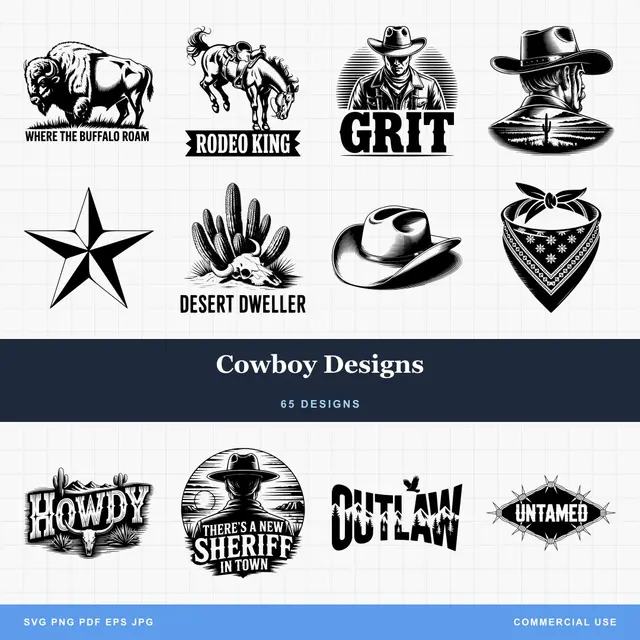
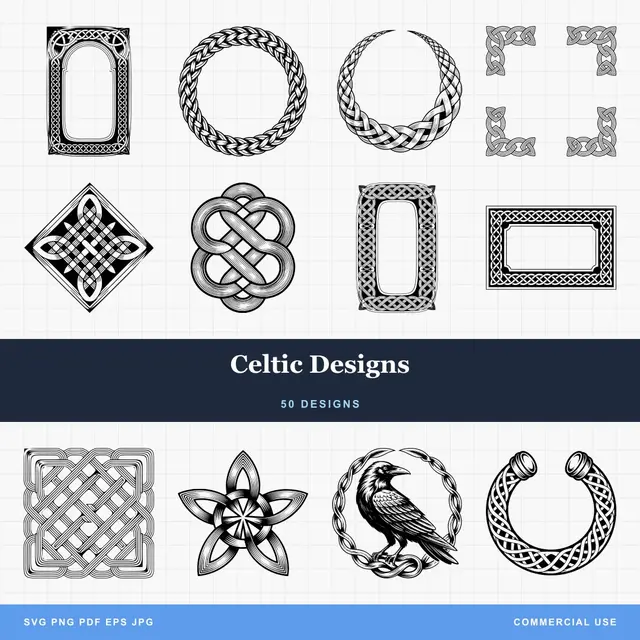
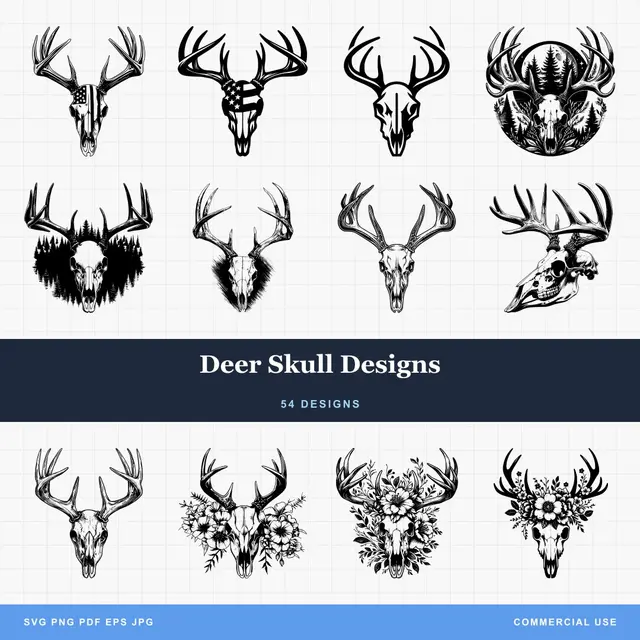
- Multiple formats (SVG, DXF, PNG)
- Machine-tested designs
- Commercial licenses
Sponsored by PrintCutCarve.com
Tier 1: Things You Could Start This Weekend
These share a shape: a single blank or a single sheet, one operation, minimal finishing. If you are picking a first product, pick from here. All twelve of them can be personalized, which is the single biggest advantage a small maker has over anything mass produced.
1. Keychains and name tags
The best first product for most people, and it is not close. They are quick to make, a failed one costs you almost nothing, and almost everyone will buy one at a fair if it has their name or their dog's name on it.
What makes keychains a great starting point is that they teach you the whole business in miniature. You learn your machine's settings, you learn how long a job actually takes, you learn how to handle a custom text order, and you learn to price something. All on a piece of material small enough that a ruined one costs you nothing but a shrug. When you eventually move to bigger products, you already know how your shop runs.
Bonus: they are the ideal add-on item. Someone buying a sign will add a keychain at the counter without thinking about it. See our keychains and name tags guide for the production side.
2. Coasters
Sets of four or six, matched designs. Cheap material, quick to make, and they are a natural impulse buy. Monograms, local landmarks, botanical patterns, and pet silhouettes all work. Slate, wood, cork, and acrylic all have their audience.
3. Vinyl decals and stickers
The lowest material cost on this entire list and one of the easiest things to ship, because it goes in a flat envelope. Car window decals, water bottle stickers, laptop stickers, and cursive name decals all sell.
The catch is that decals are competitive, so the design has to be yours and it has to be good. Generic quote decals are a race to the bottom. Niche decals for a specific hobby, profession, or local reference are not. Our vinyl decal guide covers cutting, weeding, and transfer.
4. Fridge magnets
Same production as coasters, smaller. Great as favors, great as bundle filler, great as the thing you hand someone so they remember your shop.
5. Bookmarks
Wood, leather, or acrylic. Fast, flat, and they photograph well. A reliable add-on item and a good use of offcuts.
6. Ornaments
The highest volume seasonal item most makers will ever sell. Personalized ornaments for families, pets, babies, first homes, and memorials. Every life event gets an ornament, and people buy several at once.
Two things matter more than the design. First, batch production: engrave a whole sheet of names in one job, then cut all the outlines in a second pass, rather than doing them one at a time. Second, timing. Serious ornament shoppers start in early autumn, not December. If you list in November you have already missed most of the season. Our family name ornaments guide covers a proven design pattern.
7. Garden markers and plant stakes
Sets for herbs and vegetables. Spring seasonal, popular as housewarming and Mother's Day gifts, and forgiving to make because slight rustic variation is a feature.
8. Earrings
Flat cut earrings from thin wood, acrylic, or leather have almost no material cost per pair and take seconds to produce once you have the file. The real work is variety and photography. Buyers want options, so plan on offering a lot of designs rather than one perfect one.
9. Pet ID tags
Small, personalizable, and pet owners are famously willing to spend. Pairs naturally with pet-themed keychains and ornaments, so you can share designs across products.
10. Cutting boards
Buy a blank, engrave a family name or a monogram, done. It is the classic for a reason: high perceived value, low effort, no assembly, and it sells all year rather than in one seasonal spike.
11. Engraved utensils and small kitchen items
Spoons, spatulas, trivets, measuring accessories. Cheap blanks, quick jobs, and they bundle beautifully with a cutting board into a gift set.
12. Wedding and party favors
Small engraved anything, ordered in quantity. One customer needs a hundred of them, which means one design conversation and one long production run. This is the least "creative" item in Tier 1 and often the most efficient.
Tip
Pick three products from this tier, not one and not ten. One gives you nothing to compare. Ten spreads you so thin that none of them get a decent photo. Three lets you find out which one people actually reach for.
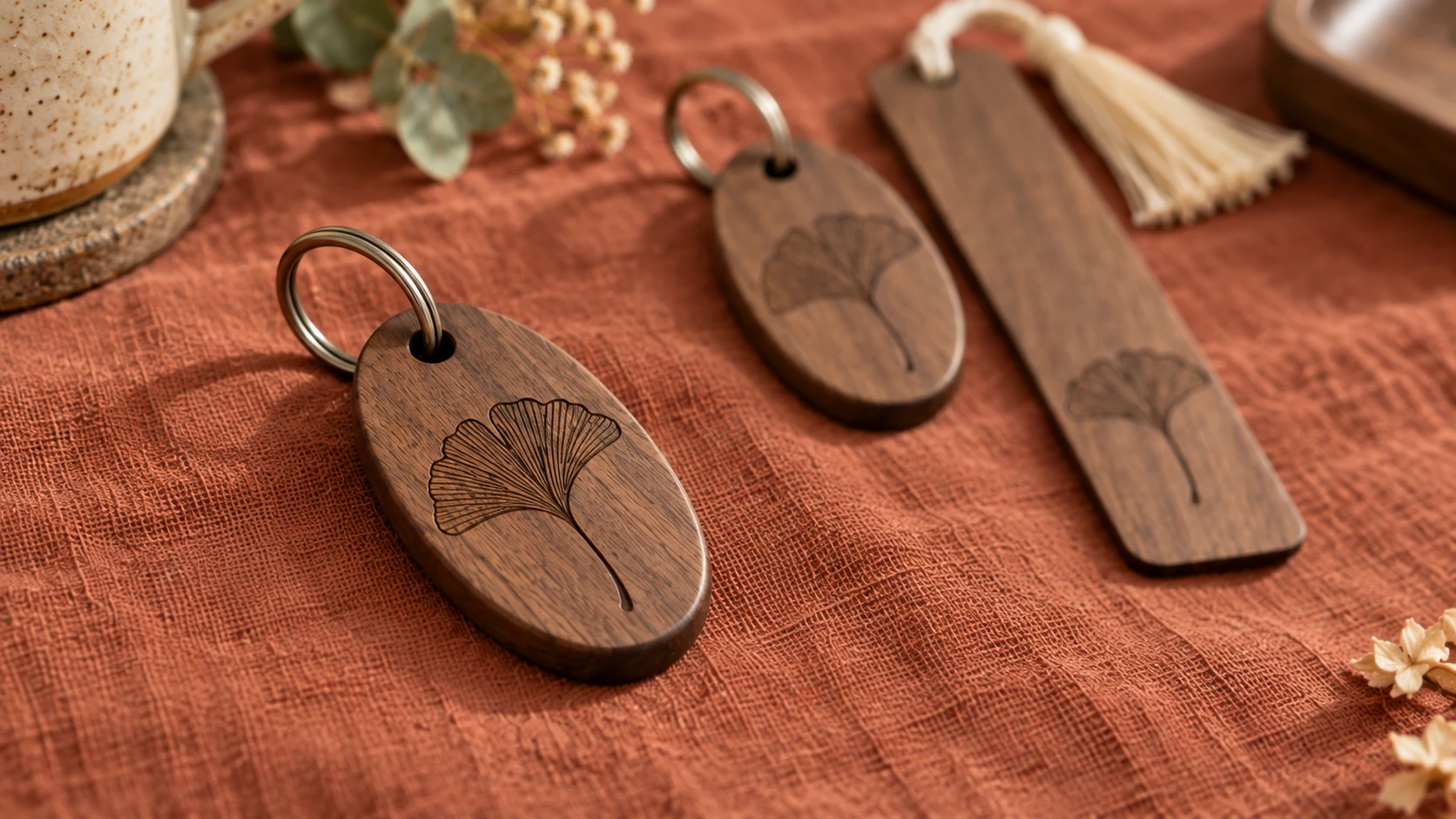
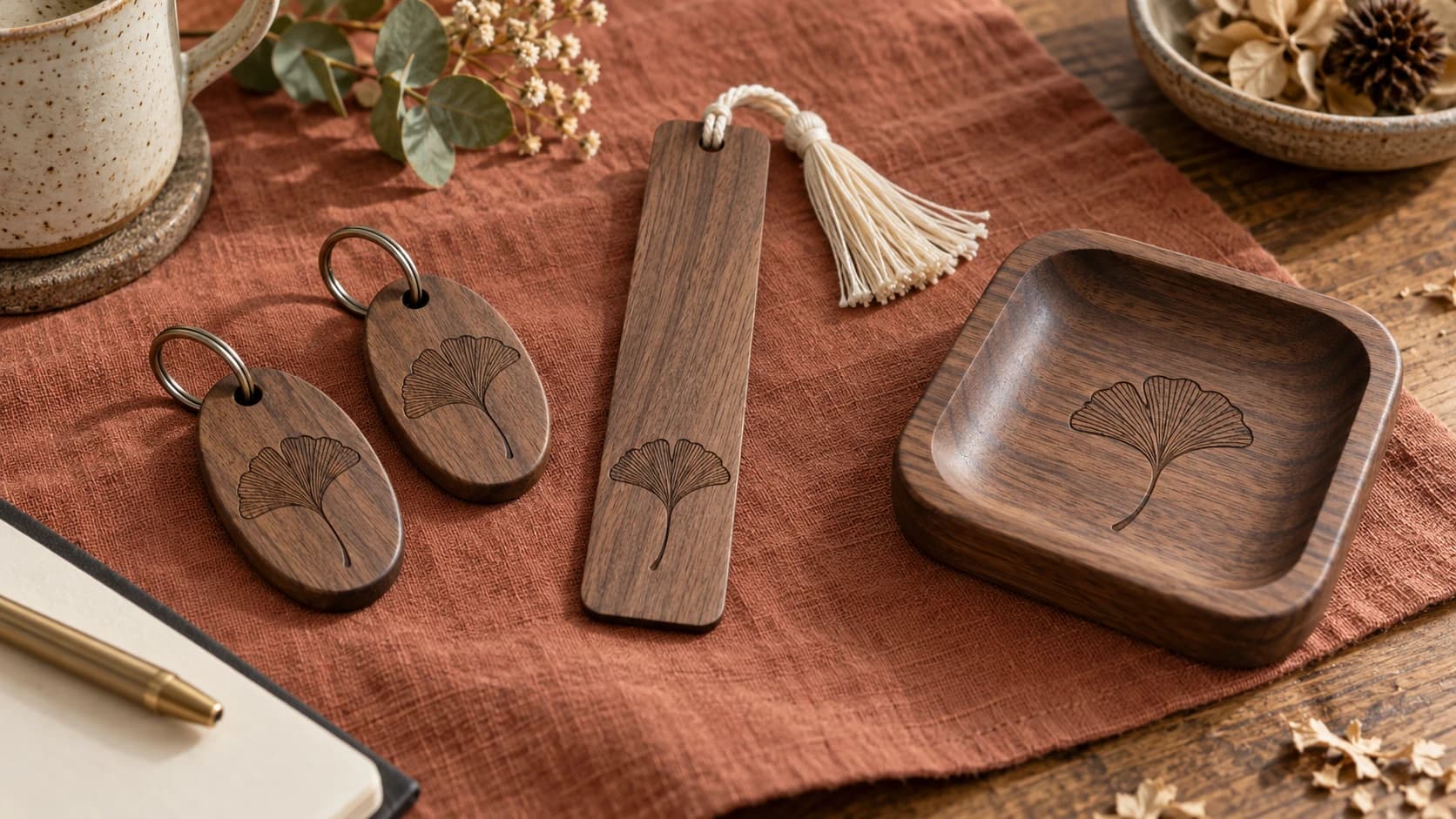
The small hardware connection is part of the product. Leave enough material around the hole and include fitting and inspection in the production work.
Tier 2: One More Step
These add a second material, a piece of hardware, or a finishing stage. Nothing here is hard. Each one just has more chances to go wrong, which means you want your process dialed in before you take orders.
13. Bottle openers
Blank plus hardware. Popular as groomsmen gifts and man-cave decor. The only new skill is drilling and fastening consistently.
14. Layered wall art
Cut several layers, stack them with spacers, and you get real depth and real shadows. Mountain scenes, skylines, mandalas, and botanical layers all work.
Depth is the whole product. A flat print of a mountain range is a poster. The same design in four layers with visible shadow between them makes people reach out and touch it, and that reaching is the sale. Our stacked layer art guide covers the design process.
15. Kids' name puzzles
Letter pieces that fit into a base board. Baby shower and first birthday staple. The extra step is paint or stain plus a child-safe finish, which you should not cut corners on.
16. Desk nameplates
Simple, professional, and a decent entry into selling to local businesses rather than individuals. Businesses reorder.
17. Candle holders and luminaries
Cut patterns into thin panels, assemble into a box, drop in a flameless LED. Shadow patterns on a wall are a strong craft fair demo, because the product sells itself the moment someone sees it lit.
18. Tumblers and drinkware
High demand and strong repeat business, but most drinkware needs a rotary attachment. That equipment purchase is the real barrier, not the skill. Our tumbler engraving guide covers setup.
19. Picture frames
Buy unfinished frames, add engraving. Names, dates, event titles. Reliable gift-shop item with almost no learning curve beyond fixturing an awkward shape.
20. Cake toppers
Fast to produce, ship flat, and wedding customers are not price shopping the way gift buyers are. Offering a few finishes covers most color schemes.
21. Wedding and event signage sets
Table numbers, seating charts, welcome signs, bar menus. Sets rather than singles, which means larger orders. The extra step is stands, bases, or mounting.
22. Leather goods
Keychains, patches, luggage tags, bookmarks, journal covers. Leather has a premium feel that raises perceived value well above its cost. If you are engraving it with a laser, read our leather engraving guide first, because tanning chemistry genuinely matters for safety.
23. Address signs and house numbers
Higher ticket than most of Tier 2, because they are permanent and visible. The extra step is weatherproofing, which you must actually get right or you will hear about it in a review next spring.
24. Serving trays and charcuterie boards
Bigger cousin of the cutting board, positioned as an entertaining piece. More surface for elaborate designs, plus handles or hardware.
25. Jewelry dishes and trinket trays
Small, giftable, and a good use for offcuts of nice material. Works in wood, resin, clay, and 3D printed forms.
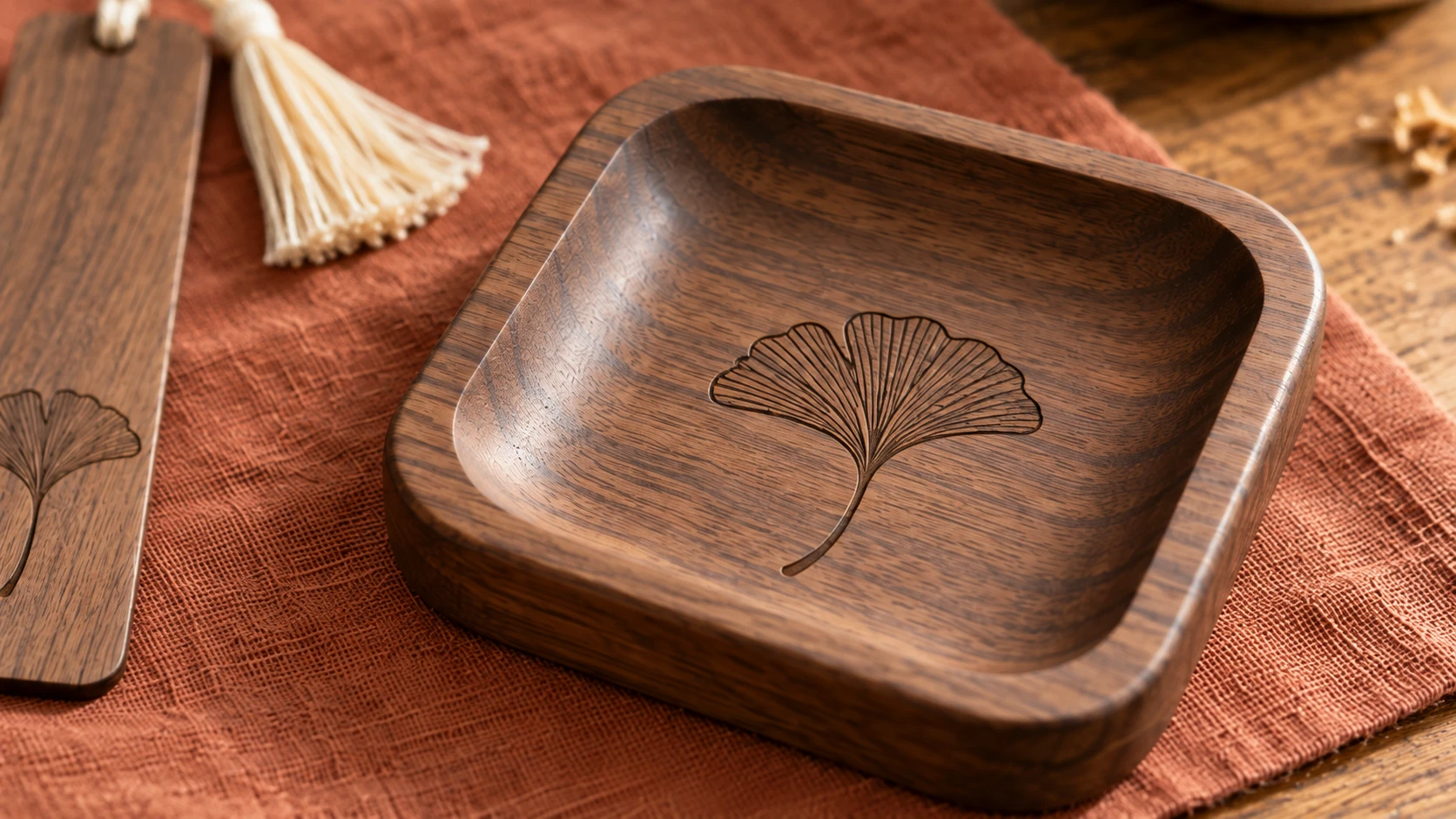
The matching dish adds a routed recess and more finishing work to the lineup. Compare the operations each product needs, as well as its material cost.
Tier 3: Worth Building Up To
Higher skill, higher ticket, slower to produce. Several of these are things people will pay a real premium for precisely because most sellers cannot make them.
26. Small furniture and shelving
Floating shelves, plant stands, side tables, spice racks. Real woodworking, real finishing, and awkward to ship, which is why these often sell best locally.
27. Yard games
Cornhole sets, giant outdoor games, oversized dominoes. High ticket, high material cost, and a genuine shipping headache. Excellent local and custom-order product.
28. Cribbage boards
Niche with a devoted following. Needs precise hole drilling, which is where most attempts fall apart. Get that right and you are competing with very few people.
29. Jigsaw puzzles
Custom photo puzzles are a strong emotional gift. The difficulty is in the cut quality: pieces need to actually hold together and separate cleanly, which takes tuning. Our photo to jigsaw puzzle guide walks the process.
30. Multicolor inlays
Inlay work reads as expensive because it is hard. Different woods or materials fitted flush into a recess, with tight seams and no gaps.
This is where most makers jump from "crafty" to "craftsman" in a buyer's eyes. The fit tolerance is what separates good inlay from obvious inlay, and it takes practice with your specific machine and material. Our multicolor wood inlays guide and CNC inlay walkthrough cover the technique.
31. Relief carvings and lithophanes
Depth-mapped carvings and backlit lithophanes are showstoppers. Both take patience: a lithophane that looks perfect on screen can come out muddy if the thickness range is off. See our lithophane guide and photo to relief guide.
32. Clocks
A cut or carved face plus a mechanism. Not technically hard, but sizing the face, hands, and mounting so it looks intentional rather than improvised takes iteration.
33. Keepsake boxes
Finger joints, living hinges, lids that actually close properly. Boxes are a rite of passage because every mistake in your machine calibration shows up in a joint that will not close.
34. Musical accessories
Picks, pick holders, capos, instrument stands, custom inlay work. Small dedicated audience that appreciates real craftsmanship and notices sloppy work immediately.
35. Commercial signage for local businesses
The most overlooked opportunity on this list.
Every restaurant, salon, gym, and clinic in your town needs signage, and most of them are buying something generic online because they do not know a local maker exists. Menu boards, wayfinding, room numbers, table numbers, window lettering, and the sign above the door. One client often needs several pieces at once, they reorder as things wear out or the menu changes, and they are far less price sensitive than gift buyers.
The barrier is not making the signs. It is walking into a business and starting a conversation, which is why most makers never try. Our guide to finding your first customers covers exactly that approach.
Tier 4: Sell the File, Not the Thing
No material cost, no shipping, no inventory. In exchange, you are selling to other makers, who are the pickiest customers you will ever have. A file that does not work in their software gets a bad review immediately.
36. Cut file bundles
Ready-to-cut designs for ornaments, signs, boxes, earrings, and seasonal projects. Single files sell, but bundles sell better, because buyers want variety without hunting for individual downloads.
The quality bar is the whole game here. Clean paths, sensible sizing, no stray nodes, and a file that opens correctly in whatever the buyer runs. Include recommended material thickness and a note on what settings worked for you. Test everything on your own machine before you list it, because you will get exactly one chance with each buyer.
37. Printable 3D models
Model files for functional prints, organizers, toys, and decor. Print your own model at least twice before selling it, on different settings, so you know it works for someone whose printer is not yours.
38. Print-at-home printables
Planners, wall art, gift tags, party decor. No machine required on the buyer's end, which massively widens your audience beyond makers.
39. Patterns and templates
Sewing patterns, woodworking plans, leather templates, jig drawings. These sell on the clarity of the instructions at least as much as on the design.
40. Teaching what you know
Workshops, classes, video courses, and paid guides. If you have solved a problem that other makers keep asking about, that solution is a product. Local in-person workshops are also one of the most effective ways to build a customer base for everything else you sell.
Digital products are the most misunderstood category on this list, so read our digital downloads guide before you assume it is easy money. It is real income, but it is not passive until well after the work is done.
Warning
One rule that applies to every single item here: do not put trademarked logos, sports teams, or licensed characters on anything you sell. The demand is obvious and so is the legal exposure. Sellers who do it are either paying for a license or have not been caught yet. Original designs never come with a takedown notice.
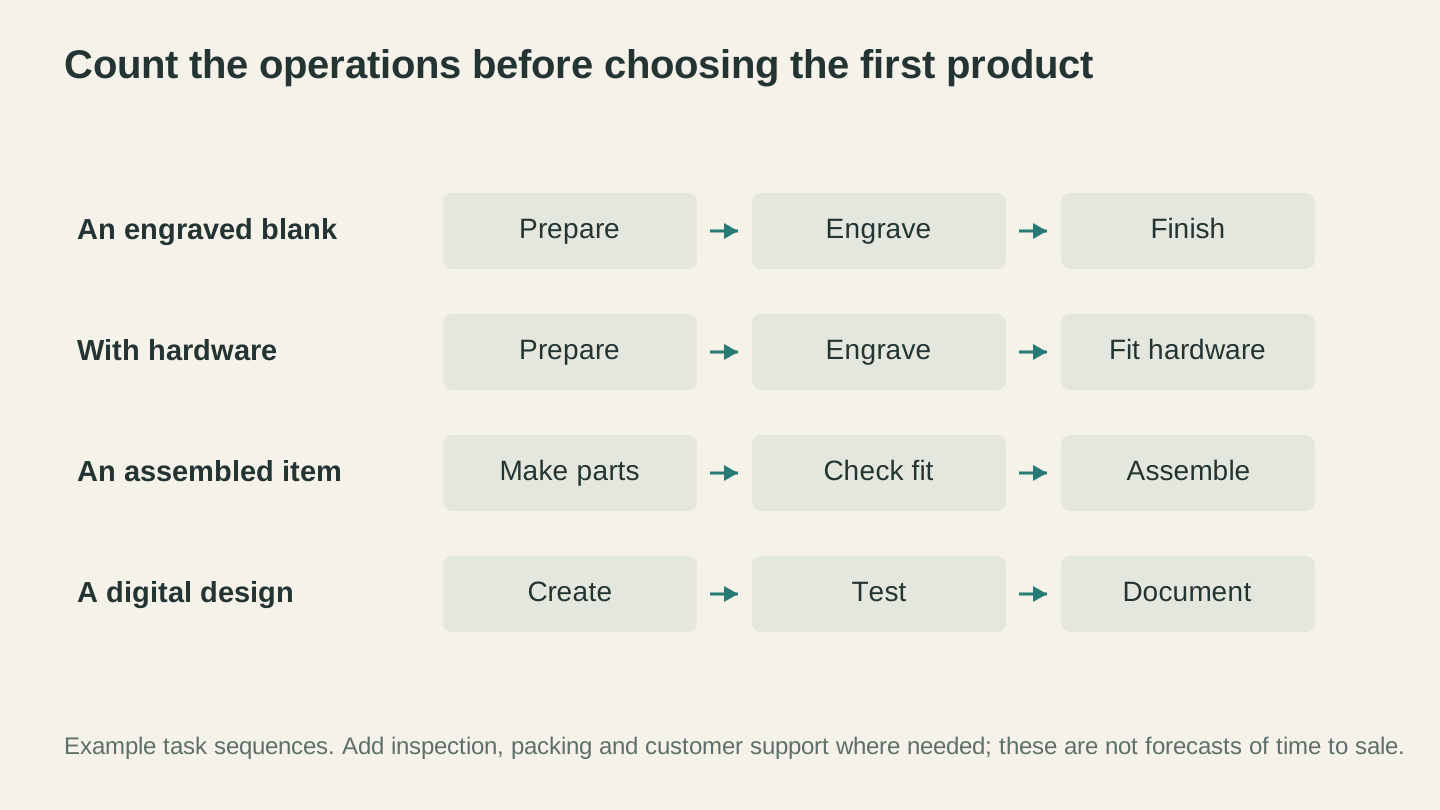
A simple-looking object can still involve several operations. Map the work before choosing a first product, including checks and customer support.
Picking Yours
If you have no idea where to start, here is a shortcut. Choose one product from Tier 1 that you would genuinely enjoy making fifty of. Choose a second from Tier 1 that shares the same material, so you are not buying two supply chains. Then choose one from Tier 2 as the thing you upsell to.
That is a lineup. It fits on one table at a fair and it fits in one shop banner online.
Then get the listing right, because a good product with a bad listing does not sell. ListingLab takes a photo of your product and writes the listing around it: titles, descriptions, SEO keywords, and social posts. It can also generate product photos in a range of styles at 1 credit each, which helps when your only shot is on a cluttered workbench under a shop light.
From there, our Etsy selling guide covers listings and shipping, our craft fair guide covers the in-person side, and if you run a laser specifically, the laser product ideas list goes deeper on that equipment.
The hardest part of this whole thing is not choosing. It is publishing the first listing and finding out you were wrong about which product people wanted. Everyone is wrong about that at first. Make the thing, list it, and let the customers correct you.
When you are ready to put it up, write your first listing with ListingLab. Upload a photo of what you made and it drafts the titles, description, and search keywords for you, so the listing is not what stops you from shipping.
Related Tools
Ready to try these tools?
Sign up free, no credit card required. Free tools available immediately.
Start Free